How to Choose the Best Waiting Room Chairs for Your OfficeHow to Choose the Best Waiting Room Chairs for Your Office
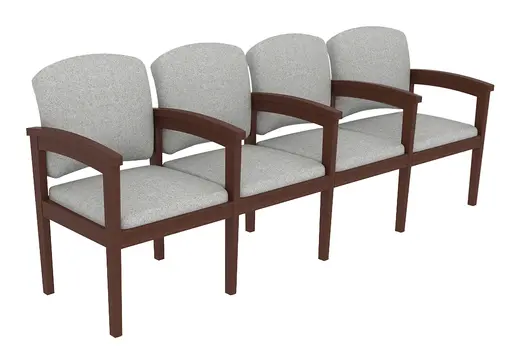
The best waiting room chairs balance comfort, durability, space, and visitor needs while fitting the demands and appearance of the business they serve. Waiting rooms provide both a place for guests to wait comfortably and an introduction to the business. Seating plays a crucial role in establishing that impression before the guest moves further into the business space. The furniture situated in this area should provide a comfortable place for guests to wait while supporting the impression the business wants to make. Choosing the right waiting room chairs means considering both that initial impression and how well the furniture performs for the people who rely on it. Comfort is a key factor, but it is only one part of the overall decision. Chair dimensions, construction, upholstery, weight capacity, ease of cleaning, and available floor space can all affect which seating works best. A chair designed for a small front office may not be particularly well-suited for a sprawling medical facility or corporate office. With such a broad range of styles and arrangements available, narrowing the options starts with understanding the needs of the space and its visitors. Our guide looks at the factors businesses should consider when choosing waiting room chairs, from comfort and durability to materials, room planning, visitor needs, appearance, and budget. The goal is to find seating that works within the room while providing visitors with an appropriate place to wait. What Makes a Good Waiting Room Chair? A good waiting room chair provides comfortable seating while fitting the practical needs of the space. The right choice depends on who will use the chair, how frequently it will be used, and the environment in which it will be placed. Appearance also matters because waiting room chairs occupy a visible part of the office. Seating should complement the reception area while providing the comfort and everyday function expected by visitors. Understanding the importance of selecting the right waiting room chairs can help businesses consider how those choices affect the overall visitor experience. A good chair ultimately balances these considerations rather than allowing any single feature to determine the selection. Finding that balance starts with understanding what makes a chair comfortable for the people who will use it. Comfort and Ergonomics Comfort begins with how well a chair supports the visitor. Seat height, depth, cushioning, and back support all contribute to the experience. A seat that is too deep can make it difficult for some visitors to sit with their back properly supported, while a shallow seat may provide inadequate support for the legs. The backrest should encourage a comfortable seated position without forcing the visitor into an overly rigid posture. The amount of time guests are likely to spend seated should also influence chair selection. Seating intended for brief waits may have different comfort requirements than chairs used for longer periods, and more cushioning does not automatically make a chair more comfortable. Unlike workstation seating designed for extended task work, waiting room chairs generally benefit more from appropriate dimensions and supportive cushioning than extensive adjustment. Comfort ultimately depends on how these features work together for the expected visitors and length of their stay. Choosing Durable Materials Durability requirements depend on how heavily waiting room chairs will be used. Seating in a small professional office may face relatively light demands, while chairs in a busy reception area may accommodate visitors throughout the day. As use increases, construction becomes more important to the furniture's performance and appearance over time. The frame provides the structural foundation of the chair. Metal frames are common in commercial waiting areas, while wood frames can bring a warmer or more traditional appearance to professional spaces. Construction quality matters as much as the material itself, so buyers should consider how the frame is assembled, the manufacturer's specifications, and whether the chair was designed for commercial use rather than judging durability by appearance alone. Frame construction is only part of the equation, however. Upholstery also affects how well a chair is suited to its environment. Fabric, Vinyl, Mesh and Other Upholstery Options
Upholstery can influence the comfort, appearance, and maintenance requirements of a waiting room chair. Fabric can provide a softer seating surface and comes in a broad range of colors, patterns, and textures, making fabric waiting room chairs easy to coordinate with the surrounding office. However, fabric may require more attention in areas where frequent cleaning is expected. Vinyl is generally easier to wipe down than fabric, making it practical for environments where spills or routine cleaning are common. Mesh can provide greater airflow and a lighter visual profile, while leather and other upholstery options can create a more formal appearance in executive or professional reception areas. Each offers a different balance of comfort, appearance, and maintenance. Specific materials can also have different care instructions, durability characteristics, and cleaning limitations within the same upholstery category. Businesses should follow manufacturer recommendations and choose upholstery suited to the expected use and maintenance requirements of the waiting area. Arm vs. Armless Waiting Room Chairs The choice between chairs with arms and armless seating can affect both visitor comfort and how effectively the waiting area is arranged. Armrests can provide support when sitting down or standing up and give each visitor a more defined seating space. They also add width to the chair, which can reduce the number of seats that fit comfortably within a limited area. Armless waiting room chairs provide greater freedom of movement and may use available floor space more efficiently. They can also accommodate visitors who find fixed armrests restrictive, although they lack the additional support some guests may prefer. When space allows, businesses can use a combination of both styles rather than relying exclusively on one design. Providing both options can help accommodate a broader range of visitors and seating preferences. Planning for Different Body Types and Weight Capacities Waiting room seating should accommodate visitors of varying sizes. Seat width and depth, chair height, and the space between armrests can all affect how comfortably a person fits in a chair. Providing seating with different dimensions can give guests options rather than expecting a single design to accommodate everyone equally well. Weight capacity should be considered separately from chair dimensions. A wider chair does not necessarily have a higher weight rating, and appearance alone cannot indicate how much weight a chair is designed to support. Reviewing the published weight capacity and specifications is therefore important when selecting waiting room chairs. Businesses furnishing a larger waiting area may also benefit from providing more than one seating configuration. Combining standard chairs with wider seating or models with different dimensions can give visitors additional options while allowing the business to plan around the needs of the people who regularly use the space. How Many Chairs Will Fit in Your Waiting Room?
Determining how many chairs will fit in a waiting room involves more than comparing room dimensions with chair width. Seating needs to account for entrances, reception desks, side tables, and other furniture while leaving enough room for visitors to move comfortably. Chair dimensions, including the additional width created by armrests, can significantly influence the final layout. Businesses should also consider how many visitors are likely to use the waiting area at the same time. Too many chairs can make the room feel crowded and interfere with circulation, while too few can leave guests without a place to sit during busier periods. Planning around typical occupancy and allowing appropriate clearance can create a functional balance between seating capacity and available space. Best Chairs for High-Traffic Waiting Areas
High-traffic waiting areas require seating built for repeated use throughout the day. Quality construction, durable materials, and surfaces that are easy to maintain become particularly important in these environments. Durability should not come at the expense of visitor comfort. Chairs still need supportive backrests and dimensions suited to the people using them, while businesses should consider how easily individual seats can be maintained or replaced over time. This can be especially important when purchasing guest seating in larger quantities. When multiple chairs are used together, businesses should also consider how easily the seating can be arranged, maintained, and adapted as the needs of the waiting area change. Choosing Waiting Room Chairs for Different OfficesWaiting room seating priorities can change depending on the type of business and the people it serves. Medical offices, professional practices, corporate reception areas, and smaller waiting rooms share many basic requirements, but differences in visitor volume, available space, maintenance, and appearance can determine which features matter most. Medical OfficesMedical office waiting room chairs may serve a broad range of patients while experiencing frequent use throughout the day. Chair dimensions, weight capacity, ease of cleaning, and durability can therefore carry greater importance. Offering chairs with arms, armless seating, and different seat widths can also provide options for varying comfort and mobility needs. Maintenance deserves particular consideration in medical environments. Upholstery and other surfaces should be evaluated according to the facility's cleaning practices and the manufacturer's care instructions, since materials can differ in the products and cleaning frequency they can withstand. Professional OfficesProfessional offices often need waiting room seating that balances a polished appearance with everyday comfort. Law firms, accounting practices, financial offices, and similar businesses may experience moderate visitor traffic, allowing greater flexibility in style and material choices. Upholstery, frame finishes, and chair styles can coordinate with reception desks, tables, and other office furniture. Office waiting room chairs should ultimately fit the scale and appearance of the room while providing appropriate seating for visiting clients and guests. Corporate Reception AreasCorporate reception areas often serve as a visible introduction to the workplace, placing greater emphasis on appearance alongside comfort and durability. Reception chairs can coordinate with the reception desk and surrounding office furniture, while larger spaces may have room to combine individual chairs with lounge seating and occasional tables. Visitor volume should also guide the selection. A corporate headquarters that regularly welcomes clients, candidates, vendors, and other guests may place greater demands on its seating than an office with limited outside traffic. Reception area chairs should support both the professional appearance and everyday function of the space. Smaller Waiting RoomsSmaller waiting rooms place greater importance on chair dimensions and furniture placement. Compact seating and armless waiting room chairs can preserve usable floor space, but entrances, reception desks, walkways, and other furniture still need sufficient clearance for comfortable movement. Smaller side tables and appropriately scaled furnishings can also help prevent the reception area from feeling overcrowded. The objective is not simply to maximize seating capacity, but to use the available room effectively while providing guests with a comfortable place to wait. Matching Waiting Room Chairs to Your Office
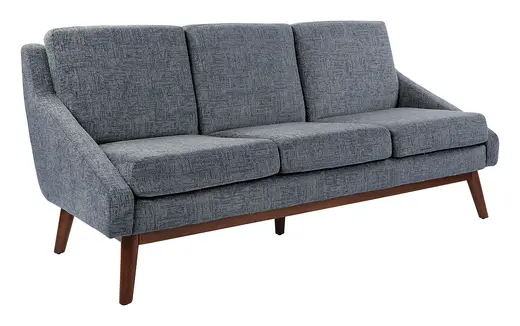
Waiting room chairs should feel like part of the office rather than furniture selected independently from the surrounding space. Upholstery colors, frame finishes, and chair styles can coordinate with reception desks, side tables, storage, and other waiting room furniture. Businesses can also combine individual chairs with couches or lounge seating when the reception area supports a mixed arrangement. Coordination does not require every piece to match exactly. Guest chairs and other seating can share complementary finishes, materials, or design characteristics while serving different purposes throughout the office. Considering the waiting area as part of the larger workplace can create a more consistent appearance while providing visitors with a functional place to wait. Choosing the Best Option for Your BudgetBudget decisions should consider more than the initial price of waiting room chairs. A lower-cost chair may be appropriate for an office with limited visitor traffic, while a busier waiting area may benefit from investing more in furniture designed for frequent commercial use. Expected use and maintenance can therefore affect the long-term value of the seating. Businesses should prioritize the features that matter most for their environment rather than paying for characteristics they may not need. Establishing those priorities before comparing prices can make it easier to narrow the options and find seating that meets the practical needs of the waiting area within the available budget. Choosing the best waiting room chairs does not require finding a single design that works for every business or visitor. The better approach is to understand the needs of the space, determine which features deserve priority, and select seating accordingly. A well-planned waiting area can provide visitors with a comfortable place to wait while remaining practical for the business.
More From This Author |