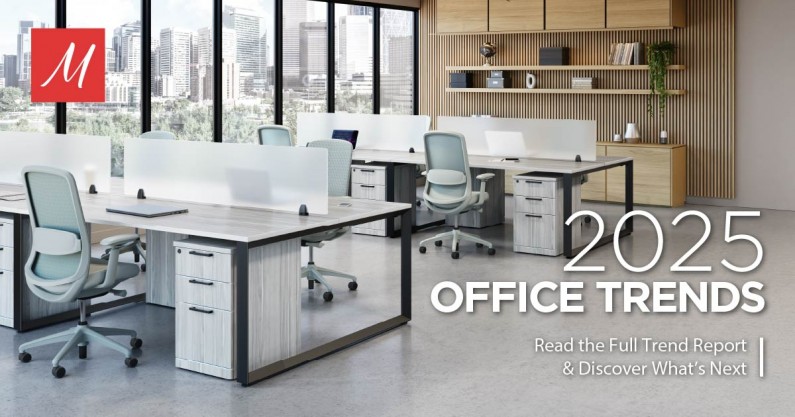
2025 Office Trends: What’s Changing2025 Office Trends: What’s Changing
Modern office trends can be difficult to track—staying ahead of the curve is no easy task. But by examining how the landscape has shifted over just the past two years, we can begin to identify the patterns that will shape 2026 and beyond. The business world moves fast, and nowhere is that more evident than in the rapid evolution of workplace design from 2024 to today. With that in mind, this analysis will look back at the defining trends of 2024, explore how those trends transformed in 2025, and offer forward-looking predictions for what to expect in 2026. And there’s no better place to start than with the ongoing evolution of the hybrid work model. Hybrid Work’s Emergence Coming out of the global pandemic where the entire world shut down in the early 2020s, by the time 2024 rolled around, working from home was all the rage. It had become the go-to work model for many businesses across the United States. Even now, home office furniture sales are strong but 2025 brought some abrupt changes to what had become the fastest growing office furniture trend. In 2025, we saw a major push for reinvestment into professional spaces again. With the pandemic firmly in our rearview, many businesses and corporations have navigated to a return to the office policy. A huge shift to in office attendance has taken a dent into the remote workforce. Offices are occupied again while still maintaining a remote workforce, which is the biggest indicator of what’s to come. Hybrid Work Stabilizes (But Evolves)
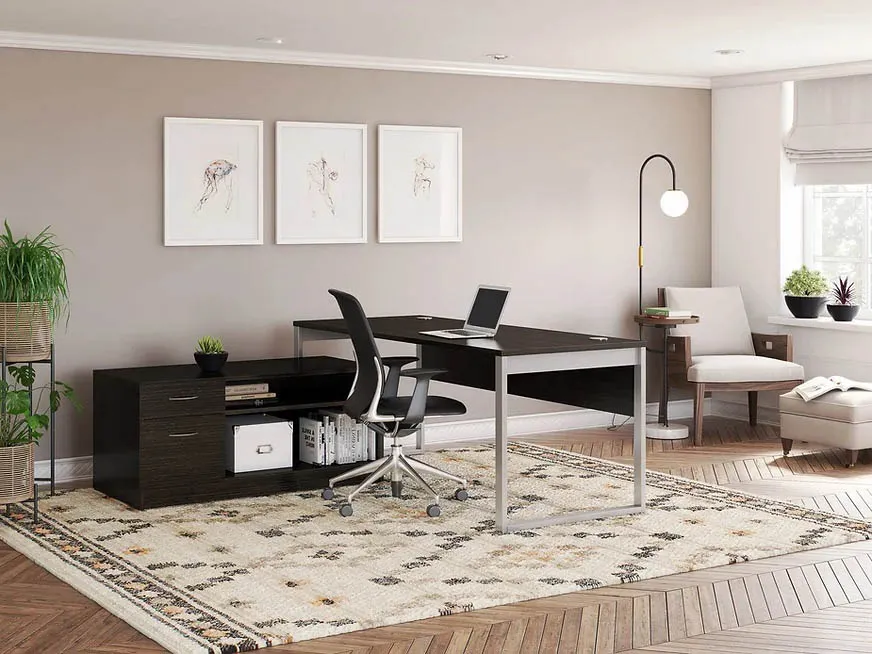
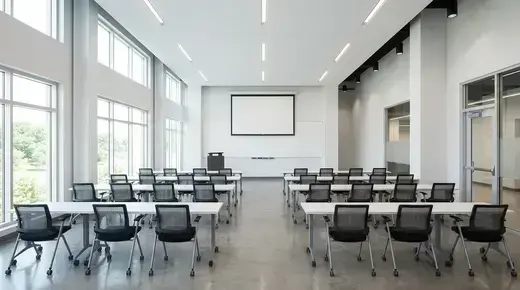
2026 Office Trends: Modular Setups go MainstreamLooking ahead, businesses are expected to fully embrace a hybrid model that blends remote and in-office work. Expect to see many remote employees shift into a part-time presence within the company office, creating demand for flexible, scalable environments. This means two things: home office furniture will remain relevant, and modular workstation spaces will become standard in corporate settings. Organizations will increasingly adopt smart, space-saving solutions that provide “as-needed” workspaces for employees who don’t maintain a full-time desk. Expect modular furniture systems that are easy to reconfigure, store, and share to take center stage as hybrid work matures in 2026. Flexibility & Mobility Take Over Office Layouts In 2024, static office workstations still ruled the office layout. Even in hybrid companies, most workers had a reserved desk. Office square footage was allocated as dedicated space for any employee who might come in. This proved to be a year of transition for office layouts and design because this model was not sustainable. Too much office space was being reserved for workers who might not show up for weeks at a time. Mobility became a reality in 2025. The rise of rolling pedestals with lightweight tables on casters and movable privacy screens transformed office planning. Facility teams optimized processes that allowed them to reconfigure the entire office in a weekend instead of the month that traditional office furniture required. In offices that were hybrid or mixed-use, mobility brought about true change. From Static to Mobile
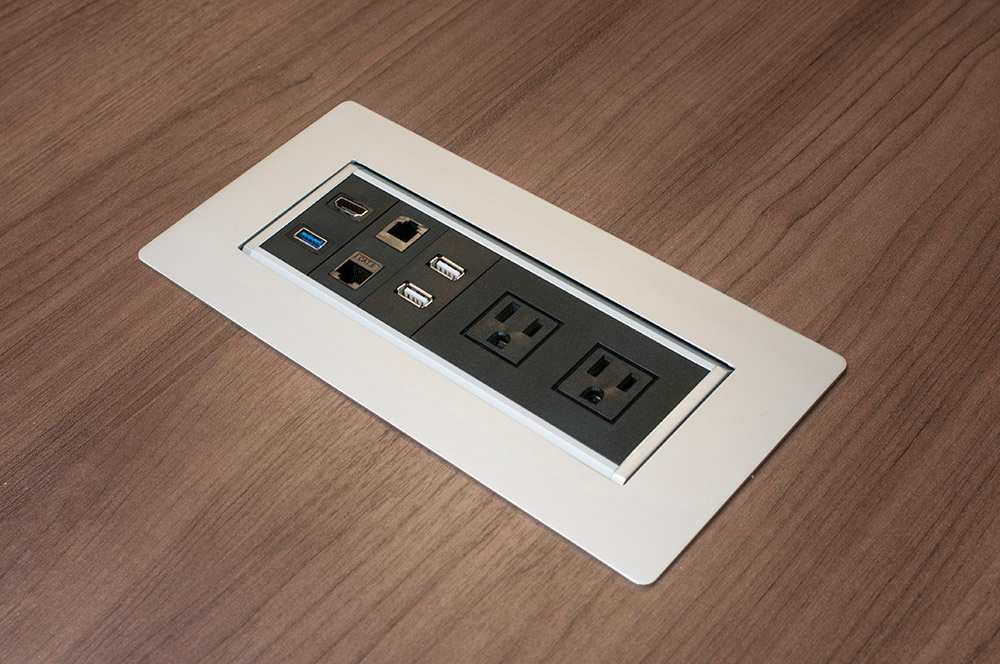
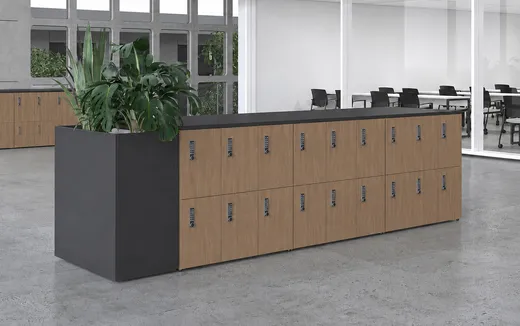
2026 Office Trends: The Office Becomes LiquidFixed desks are officially the minority, as the new standard is fully mobile, reconfigurable zones that feature lockable rolling storage that holds everything a person owns, as well as benches and tables on wheels. Together with mobile privacy panels, these features will allow office spaces to be adjusted as needed. Office turnover will no longer be a massive undertaking. The ability to rearrange the entire office in an afternoon will be common practice. Tech-Integrated Furniture Becomes the Norm 2024 turned basic tech integration and wire management from premium extras into everyday expectations. Desks and conference tables featured pre-built grommets for cable management. These measures ensured that technology on the desktop or meeting space would work seamlessly. 2025 office trends made tech integration the standard in most of the top brands in the industry. Power modules designed to fit in the desk or table were made as optional add-ons to optimize the space. Not only that, but clamp-on and desktop power strips became plentiful, ensuring that existing workstations can be upgraded to modern standards. Under-desk cable management systems were readily available to eliminate clutter. Power Without the Mess
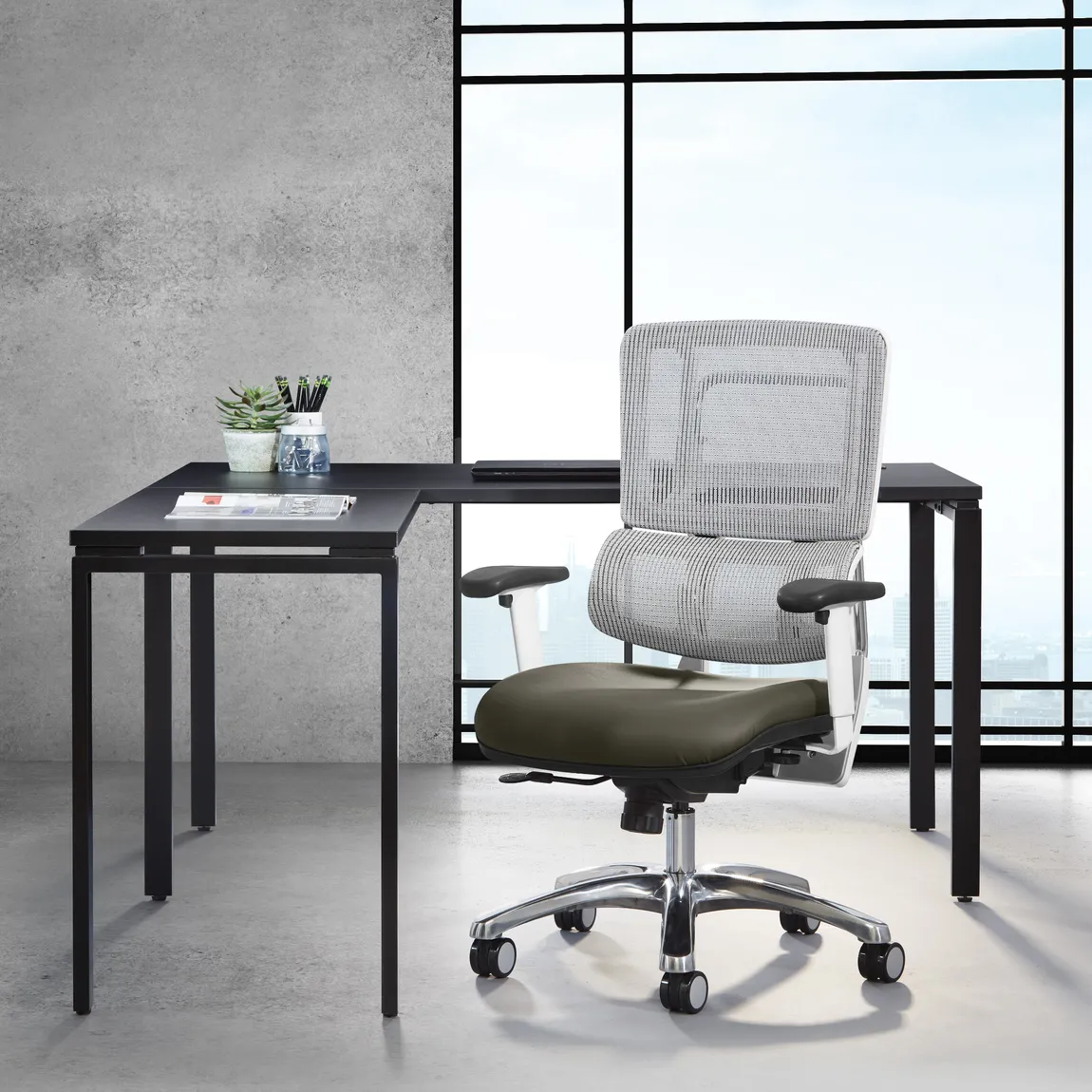
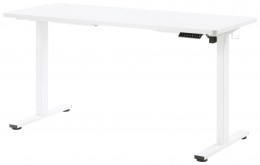
2026 Office Trends: Cables Become Truly OptionalLook for more accessories to get in on the trend of creating a fully powered desktop or conference table. Tech such as pop-up outlets that can be placed in a grommet, and monitor arms that double as cable docks, are great examples. Expect desks to provide wireless charging spaces, and accessories that make cables on the desktop become truly optional. Ergonomics: From Optional to Standard In 2024, sit-stand desks were in high demand as the go-to ergonomic furniture solution. The simple idea of moving throughout the workday became very enticing. Standing desks had existed for years, but 2024 proved they were no passing fad; they became a permanent office fixture. Sit-stand desks are now common office furniture found in every office setting. 2025 office trends spotlighted a major shift to ergonomic seating. A natural progression due to long hours at a workstation caused workers to demand seating that supported natural posture and relieved the chronic back, neck, and wrist pain that used to be an accepted part of office life. Today, durable, properly designed ergonomic chairs aren’t just nice-to-haves—they’re standard issue at work areas across the country. Ergonomics Progressions
2026 Office Trends: A Full Ergonomic EcosystemIn 2026, the focus shifts from individual pieces to the full ergonomic ecosystem. Expect monitor arms and keyboard trays that position screens at perfect eye level and bring the work to your hands instead of forcing you to reach out. Other accessories that will complete the ecosystem include anti-fatigue mats, adjustable footrests, and even smart accessories that remind you to move or adjust posture. By the end of 2026, the “basic” office workstation won’t just include an ergonomic chair and a height-adjustable desk; it will be a completely integrated system designed around the human body. Ergonomics is no longer a perk; it’s the new standard. Many companies are realizing a fundamental truth: a truly comfortable employee is a more focused, energetic, and productive one. Madison Liquidators- Your Office Furniture Trend Experts After looking at these office furniture trends, we have covered four pillars that define the modern worker:
Together, these evaluations reveal how modern trends have formed and evolved over the past couple of years and can help us project the next wave of furniture design. This gives us the knowledge to predict what office work life will look like in the next calendar year. We are always on the lookout for emerging office furniture trends to make sure our customers don’t get trapped in a passing fad. That’s why we are excited to assist you with any design questions you may have. Our team is always evolving our strategies to focus on customer needs. From simple aesthetic guidance to office floor planning, we offer a wide range of tools to help you create the office space of your dreams. Madison Liquidators is celebrating 10 years of serving the business world. We have carefully curated collections for home offices, corporate offices, medical offices, educational facilities, and more! If you would like to speak with one of our professionals, give us a call today at 888-831-1012.
More From This Author |