Designing Workspaces That Grow With Your TeamDesigning Workspaces That Grow With Your Team
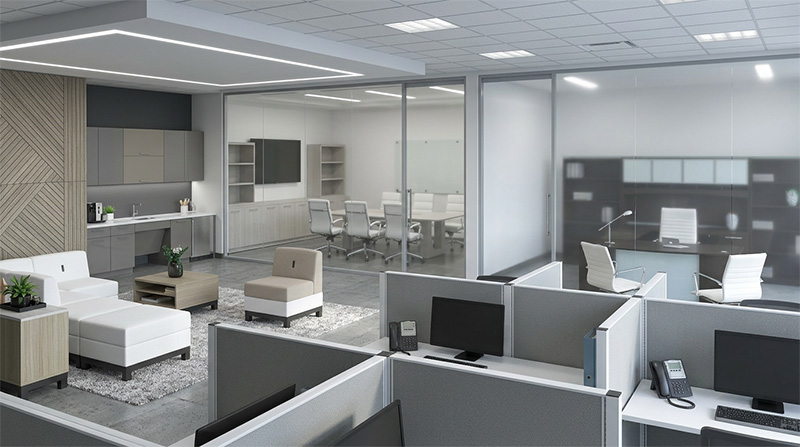
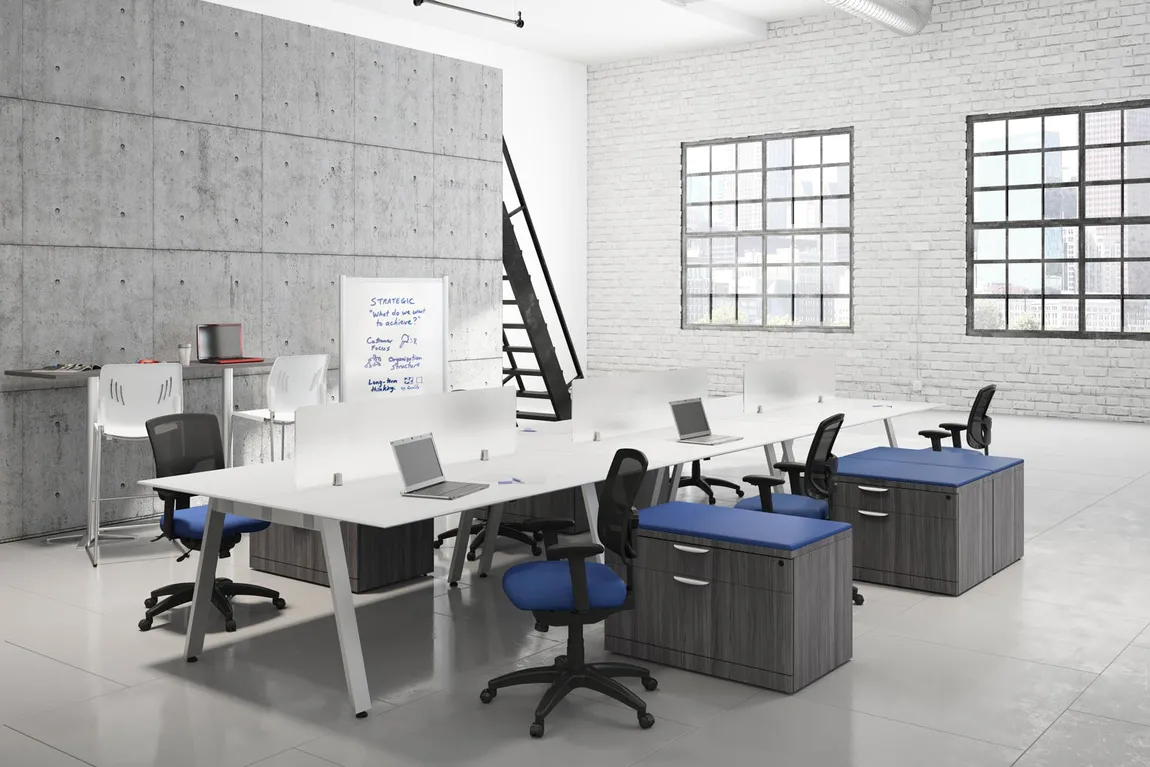
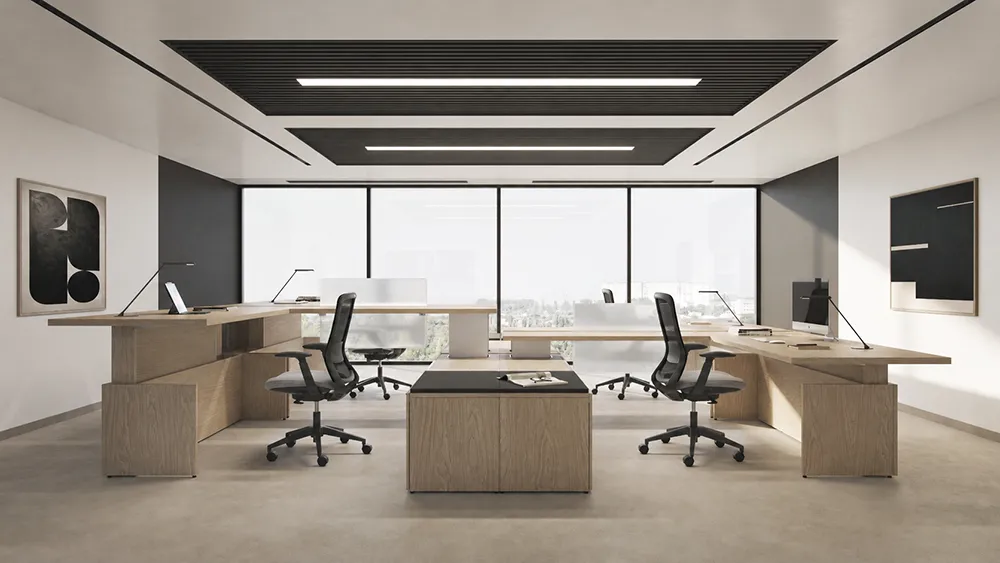
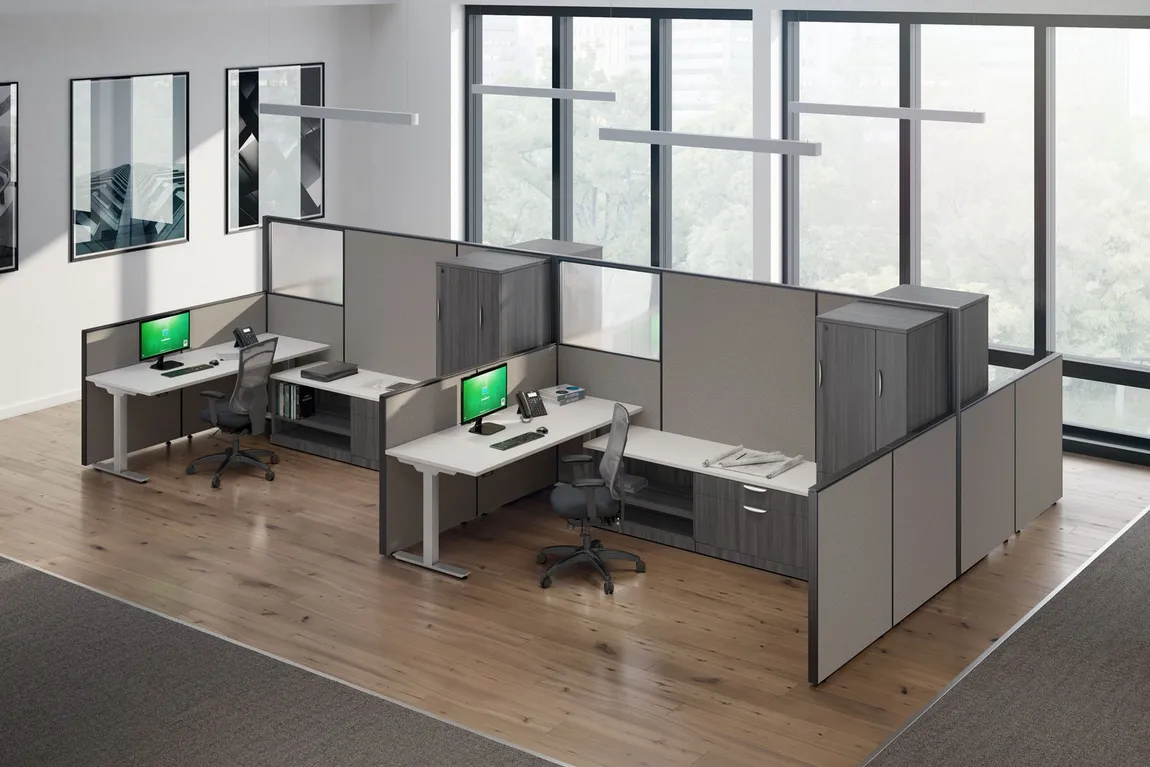
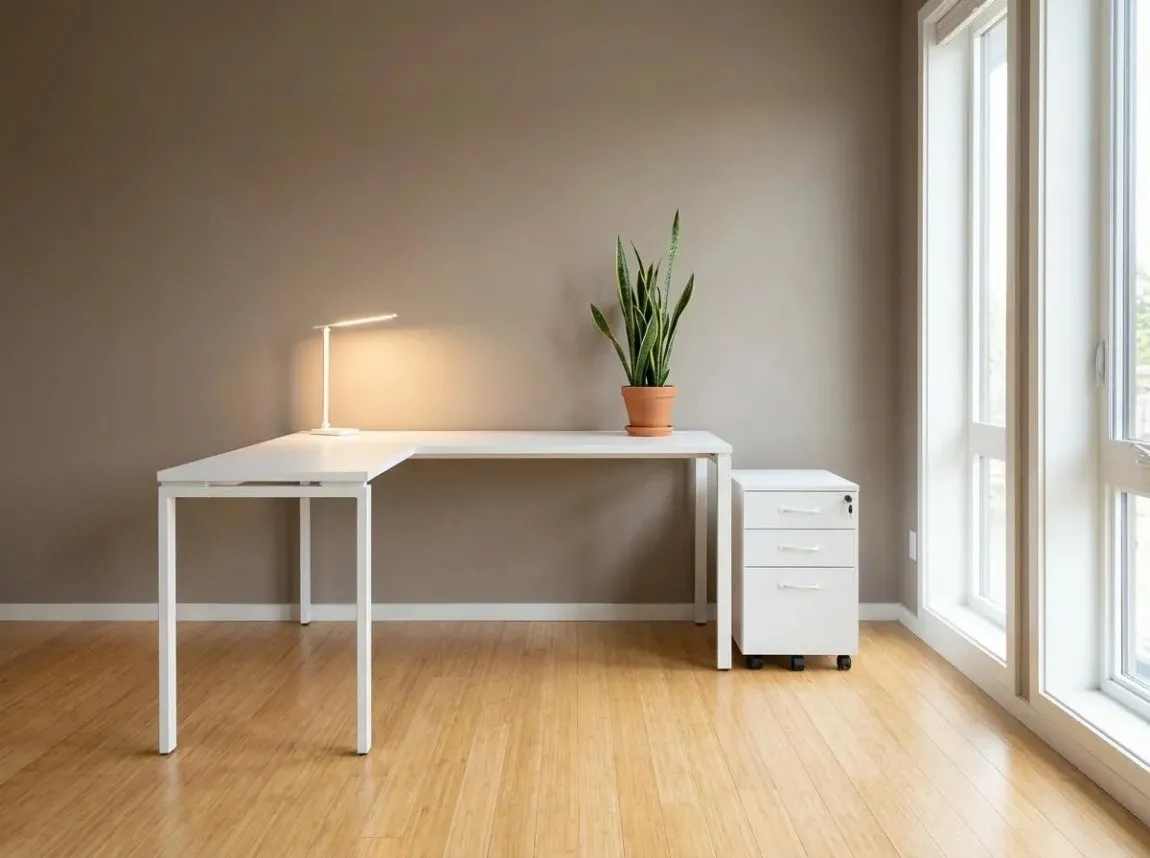
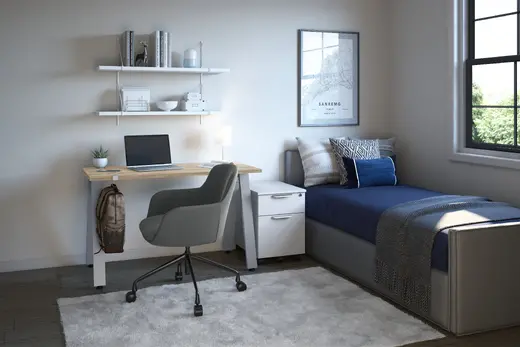
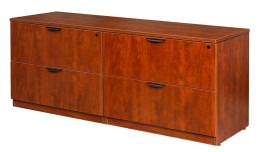
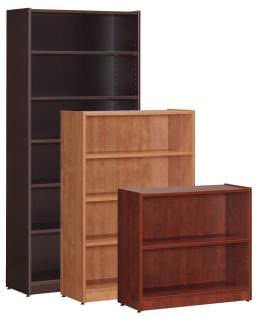
Workspaces are rarely static. As businesses grow, teams expand, departments evolve, and workplace priorities shift, office environments often need to adapt accordingly. What works well for a small team today may not provide the same level of functionality several years down the road. Many office layouts are designed around immediate needs. Organizations typically focus on current staffing levels, existing workflows, and available space when planning a workplace. While this approach can be effective in the short term, it may leave little room for future adjustments as operational requirements change. When growth occurs without planning, businesses often find themselves making reactive adjustments. Additional workstations are added wherever space is available, departments become fragmented, and office layouts can gradually lose efficiency. Over time, these incremental changes may create challenges that affect both organization and day-to-day productivity. Scalable office design takes a different approach. Building flexibility into the workplace from the beginning helps organizations accommodate change while maintaining an organized and efficient work environment. Plan for Growth From the Beginning Many office layouts are designed around immediate needs rather than long-term growth. When organizations are focused on filling current positions, supporting existing departments, or entering a new space, it can be tempting to optimize the office solely for present-day needs. While this approach may work initially, it often creates challenges as teams expand and workspace demands change. Growth affects more than headcount alone. New employees require additional workstations, departments may need to be reorganized, and collaborative spaces often become more important as organizations evolve. Without room for these adjustments, businesses can find themselves making workspace adjustments that disrupt workflow and reduce overall efficiency. Taking a long-term approach to office planning creates greater flexibility over time. Leaving room for future workstations, designing layouts that can be expanded, and selecting furniture systems that support reconfiguration all make it easier to adapt when workplace needs change. This proactive approach helps organizations accommodate growth while maintaining a more organized and functional office environment. Flexible Layouts Improve Long-Term Efficiency Office layouts that can adapt to changing workplace needs are often easier to manage over time. As teams expand, departments shift, and responsibilities evolve, businesses may need to reorganize work areas to support new workflows. Flexible layouts make these adjustments more manageable by allowing spaces to be reconfigured without requiring a complete office redesign. Modular desks, adaptable workstations, and furniture systems designed for expansion provide greater flexibility when workplace needs change. Rather than treating each workstation as a fixed component, businesses can create layouts that accommodate future additions, departmental changes, or new collaborative areas. This approach helps organizations make better use of available space while maintaining an organized environment. Flexible layouts can also improve long-term efficiency by reducing disruption as organizations evolve. When workspace changes can be made within the existing layout, businesses spend less time reorganizing entire departments or replacing furniture that no longer fits operational needs. As a result, the office remains organized, efficient, and better equipped to support changing workplace demands. Shared Workstations Support Changing Workplace Needs Not every employee uses the office in the same way or on the same schedule. Hybrid work arrangements, flexible schedules, and collaborative work environments have changed how many organizations think about workspace utilization. As a result, offices are increasingly being designed around shared resources rather than permanently assigned work areas. Shared workstations can help businesses make more efficient use of available space while still providing employees with access to the tools and work surfaces they need. Instead of expanding office footprints to accommodate occasional increases in occupancy, organizations can create workspaces that support a variety of users throughout the week. This approach is particularly useful in environments where employees divide their time between the office, remote work, and collaborative meeting spaces. Designing for shared use also encourages greater adaptability throughout the workplace. Workstations, meeting areas, and collaborative spaces can be arranged to support changing team structures and evolving workflows without requiring significant layout modifications. By creating workspaces that accommodate multiple ways of working, businesses can better adapt to future operational changes while maintaining an efficient office environment. Furniture Systems Matter More Than Individual Pieces Scalable office design involves more than selecting desks that fit the available space. As workplaces grow, individual furniture purchases can gradually create compatibility challenges that make future expansion more difficult. Desks, storage solutions, meeting furniture, and workstations all contribute to how effectively a workspace functions as a unified environment. Coordinated furniture systems help simplify this process by providing components that are designed to work together across different workspace types. Rather than approaching each office area as a separate project, businesses can create a more consistent foundation that supports future growth. This approach makes it easier to add workstations, expand departments, or reconfigure layouts while maintaining continuity throughout the office. Collections such as the Prado Series are designed around this concept, offering desks, workstations, storage solutions, and meeting furniture that can be integrated across a variety of workplace environments. By focusing on coordinated systems rather than individual pieces, businesses gain greater flexibility when planning for future expansion. Adaptability Supports Long-Term Workspace Planning Workplace needs rarely remain unchanged over time. New departments may be created, existing teams may expand, and workflows often evolve as organizations grow. Office layouts that work effectively today may require adjustments in the future as operational priorities shift and employee needs change. Adaptable workspaces make these transitions easier to manage. Flexible furniture systems, scalable workstation layouts, and shared workspace strategies provide organizations with options when changes become necessary. Rather than requiring major redesigns, adaptable offices can often be reconfigured through smaller adjustments that preserve productivity and minimize disruption. This adaptability also supports better long-term planning. Businesses that build adaptability into their workspace strategy are often better prepared to respond to growth, staffing changes, and evolving workplace expectations. Over time, this approach can help create offices that remain functional and effective through multiple stages of organizational development. Build a Workspace That Can EvolveEffective office design is not only about supporting current needs. It also involves creating a workspace that can adapt as teams grow, workflows change, and organizational priorities evolve. Flexible layouts, shared workstations, coordinated furniture systems, and adaptable planning strategies all contribute to a workplace that remains useful over the long term. By designing with scalability in mind, businesses can reduce future disruptions while creating offices that remain organized, efficient, and capable of supporting continued growth. This approach helps organizations create workspaces that remain effective through changing business needs, team structures, and workplace expectations. Explore workstations, modular desks, and scalable furniture solutions at Madison Liquidators to create a workspace designed to support evolving workplace needs.
More From This Author |