How to Choose the Right Office Chair for All-Day ComfortHow to Choose the Right Office Chair for All-Day Comfort
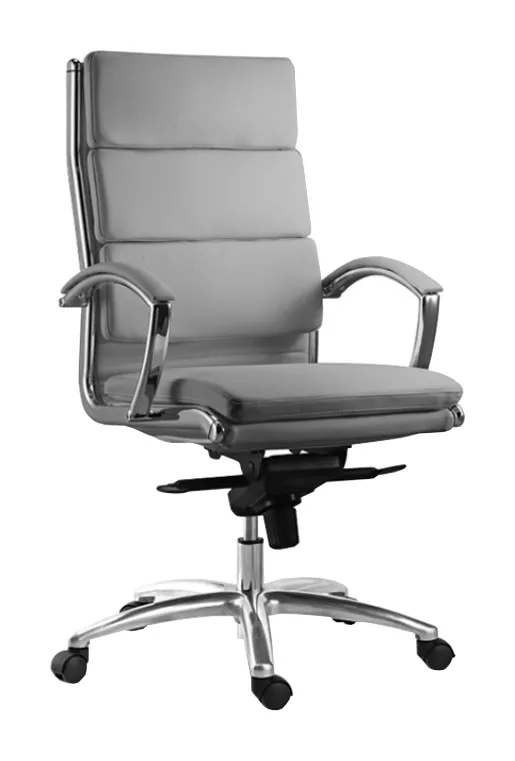
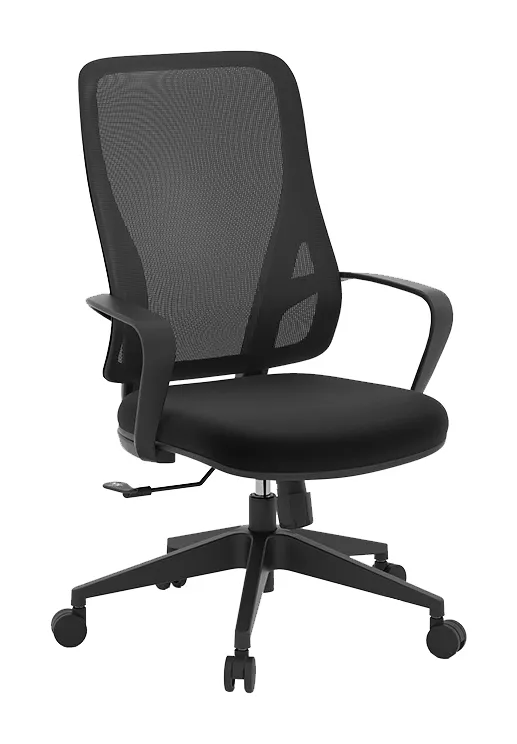
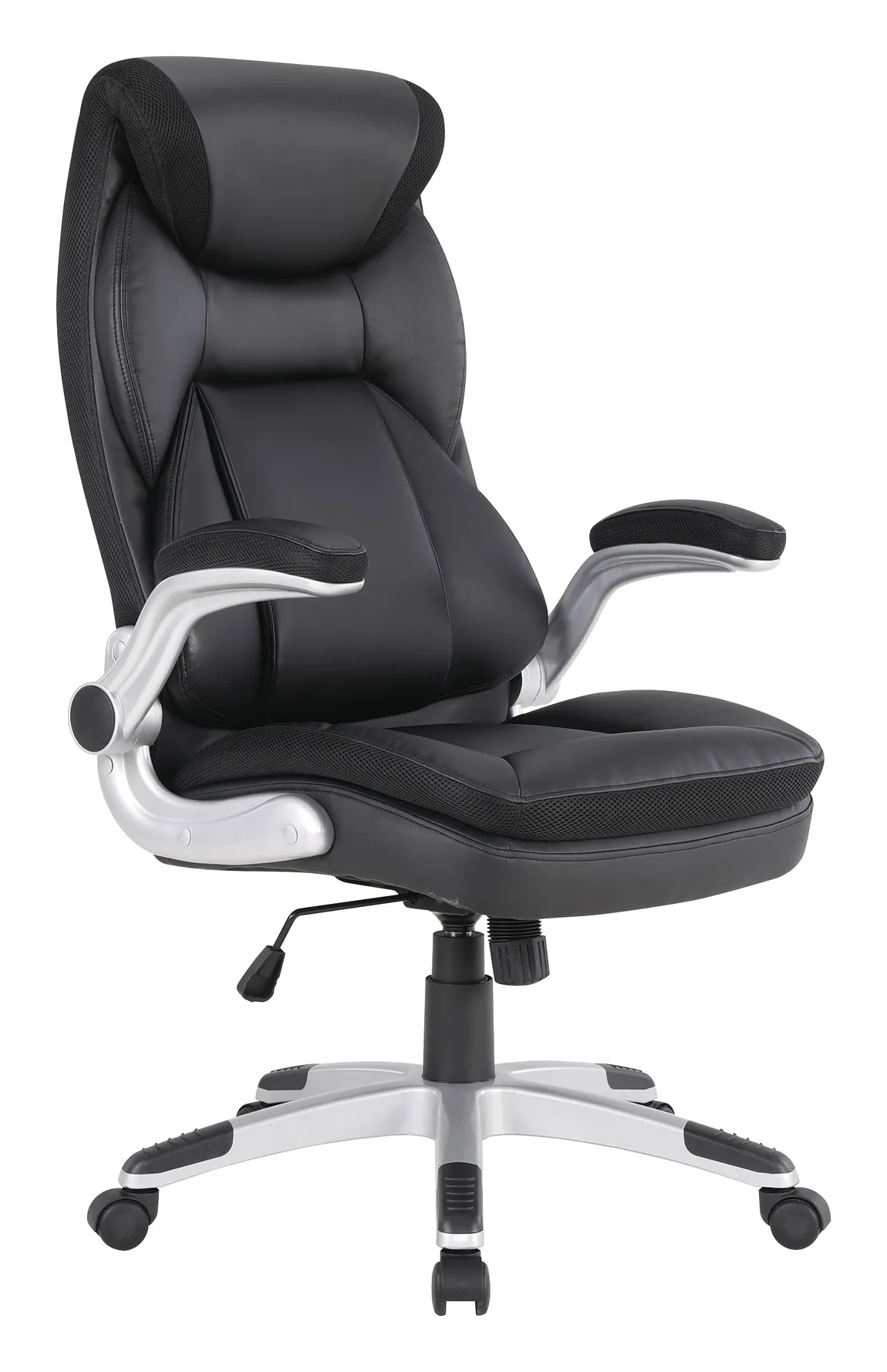
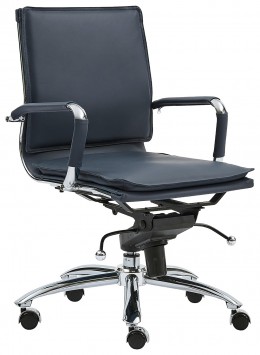
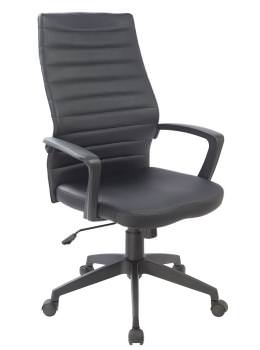
Office chairs have a direct impact on how office work is performed throughout the day. Ergonomics influence how the body responds to prolonged sitting, and chairs that fail to provide proper support often lead to fatigue and, over time, long-term discomfort or health issues. These daily aches and pains don’t just affect individual employees—they can reduce productivity, increase downtime, and create measurable impacts at the business level. Choosing office chairs to address these challenges is rarely a simple click-and-purchase decision. Comfort is subjective, and there is no single chair that works equally well for every user. Differences in body type, posture, and personal preference all play a role, making all-day comfort harder to achieve than it first appears. Many chairs feel acceptable for short periods, but far fewer are built to support an eight-hour workday or longer. For buyers, this means looking beyond the two most common decision factors—price and appearance. More meaningful considerations include documented lumbar support, durable structural design, and adjustability that allows each user to tailor the chair to their body. One of the most effective ways to approach this decision is to view office chairs as performance equipment rather than décor. Evaluating how chairs will be used—whether for all-day seating, shared environments, or long-term deployment—leads to better outcomes for both users and organizations. Understanding what separates a chair that simply looks comfortable from one that performs over a full workday is critical when making purchasing decisions. All-day seating places very different demands on materials, mechanisms, and support systems than casual or occasional use. This guide breaks down the key factors that actually matter, helping buyers identify office chairs that deliver sustained comfort, consistent support, and long-term value in real work environments. Why All-Day Comfort Is Different from Casual SeatingCasual seating is designed for short, intermittent use—not all-day service. Task chairs, by contrast, are expected to support users for six to ten hours a day, every day. That’s why initial comfort and long-term support are not the same thing. Office chairs must provide sustained support throughout the workday to maintain comfort, focus, and productivity. A strong office chair must support movement throughout the day. Chairs that force users into a single, static position inevitably lead to discomfort. Over time, attention shifts away from work as users constantly adjust in search of relief—often without success. This cycle affects both productivity and overall quality of life, which is why effective task chairs are designed to accommodate movement rather than restrict it. Shared seating in conference rooms or flex spaces requires a different approach than personal task seating. In these environments, fully adjustable chairs can create friction, as each user resets the chair to personal preferences before the next person rotates in. For this reason, shared seating typically benefits from limited adjustment and consistent support. Personal task chairs, however, should offer maximum adjustability, allowing users to customize fit and posture for sustained comfort throughout the day. Office Chair Types Comparison
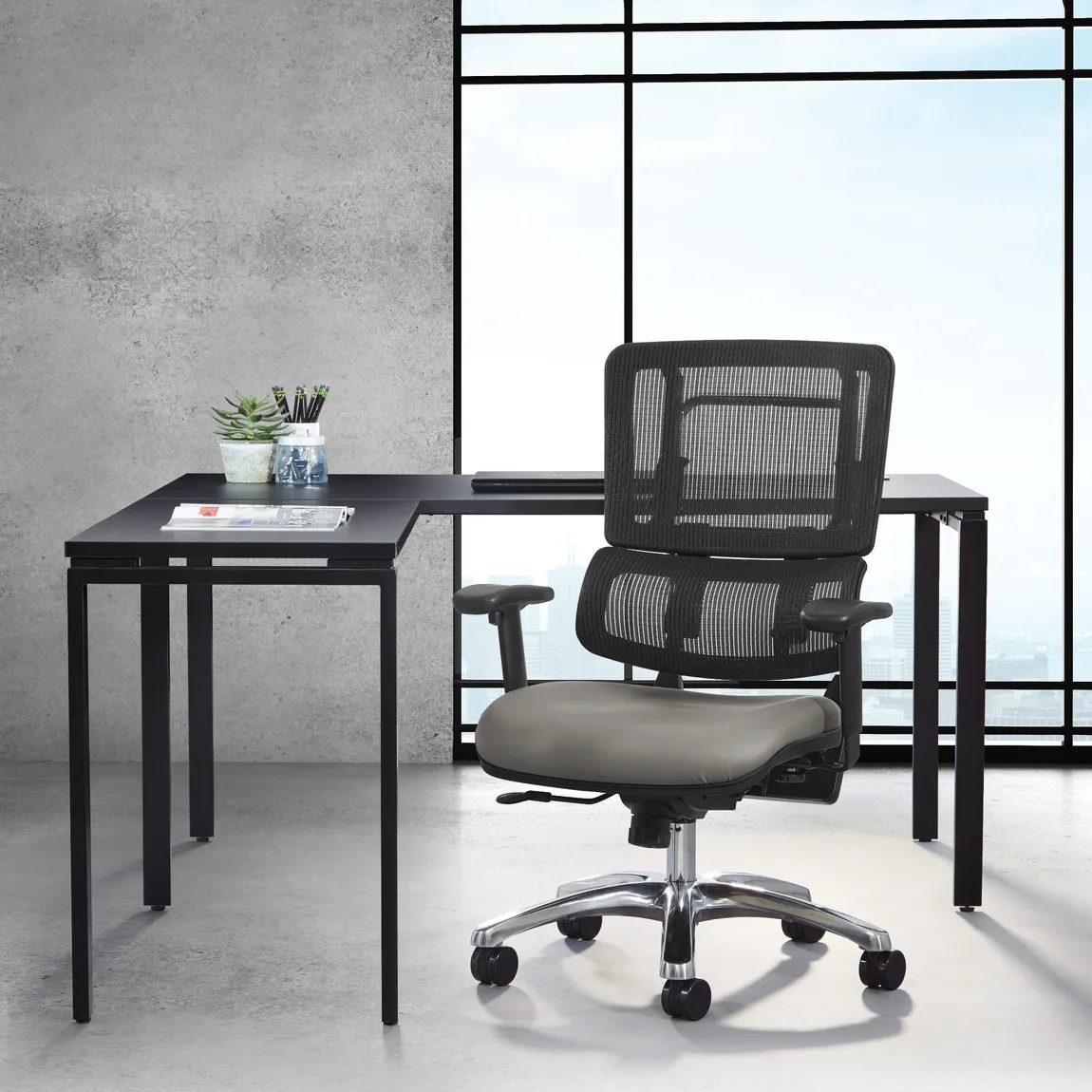
Core Support Features That Matter Over a Full Workday When evaluating office chairs for all-day comfort, support features matter far more than styling or padding alone. True ergonomic performance comes from how well a chair supports the body over hours of continuous use—not how it feels in the first few minutes. Chairs designed for extended workdays focus on maintaining posture, encouraging movement, and reducing strain as the body naturally shifts throughout the day. Lumbar support is one of the most critical components of all-day seating. The lower back bears a significant portion of the body’s load when seated, and without proper support, fatigue sets in quickly. Effective office chairs provide adjustable lumbar support that aligns with the user’s natural spinal curve. This adjustability allows different body types to maintain healthy posture without forcing the spine into an unnatural position, reducing discomfort and long-term strain. Seat design also plays a major role in sustained comfort. Seat depth should allow users to sit fully back in the chair while maintaining clearance behind the knees to promote circulation. Chairs with adjustable seat depth accommodate a wider range of users, preventing pressure points that lead to numbness or fatigue. Cushion density matters as well—too soft, and support breaks down; too firm, and pressure builds over time. Arm support is often overlooked, yet it directly impacts shoulder and neck comfort. Adjustable armrests help support the arms during typing and mousing, reducing strain on the upper body. Height, width, and pivot adjustments allow users to position their arms naturally, keeping their shoulders relaxed rather than elevated or pulled forward throughout the workday. Finally, synchronized tilt and recline mechanisms are essential for movement. Chairs that allow controlled recline encourage subtle posture changes, reducing static pressure on the spine. A chair should support upright task work while also allowing users to lean back briefly without losing support. This balance promotes circulation, reduces fatigue, and helps users stay comfortable without constant manual adjustments. Together, these features form the foundation of a chair designed for real, all-day use. When support systems work in unison, the chair fades into the background—allowing users to focus on their work instead of their discomfort. Adjustability: Matching the Chair to the User No single chair can claim to be the perfect fit for every person. If that were the case, users would be forced to adapt to the chair—exactly the opposite of what’s needed in a professional environment. A well-designed office chair must adjust to the user, not the other way around. To achieve this, quality task chairs rely on a range of purposeful adjustments that allow the chair to support different body types, postures, and work habits throughout the day. Adjustability should be viewed as performance tuning, not a luxury. When done correctly, it allows users to maintain comfort and focus over long work sessions by supporting natural movement and reducing physical strain. Chairs with strong, well-engineered adjustment systems offer value far beyond their appearance. They function as long-term infrastructure investments that support employee well-being, productivity, and consistency across the workday. That said, meaningful personalization—not complexity—should be the goal. More levers do not automatically make a better chair. Poorly designed or unintuitive adjustment mechanisms often discourage use, negating their intended benefits. The most effective task chairs balance flexibility with usability, offering adjustments that are easy to understand, beneficial in practice, and used regularly over time. Seating AdjustmentsCore adjustments that contribute to all-day comfort include:
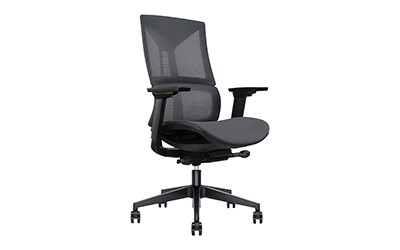
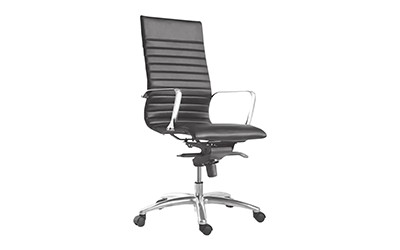
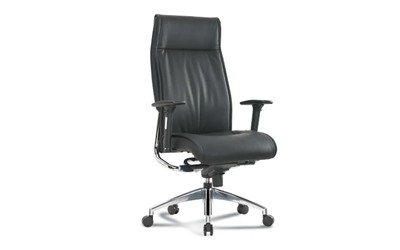
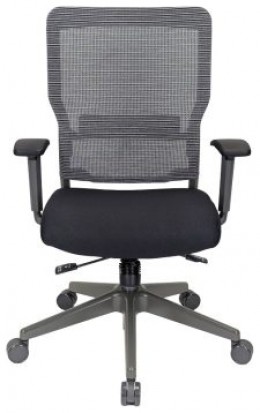
Chair Materials & Build Quality Chair materials and construction play a critical role in whether a chair can deliver consistent comfort over a full workday and remain reliable over years of use. Two chairs may appear similar at a glance, but differences in materials, internal components, and structural design often determine how well they perform once placed into service. For all-day seating, build quality matters just as much as ergonomic features. Back materials are one of the most visible discriminators. Mesh-backed chairs are popular for their breathability. Upholstered backs, on the other hand, provide a more traditional feel and often offer a greater sense of support when paired with proper lumbar structure. The key distinction is not mesh versus fabric, but whether the backrest maintains tension, shape, and support after prolonged use rather than sagging or losing structure over time. Seat construction is equally important. Cushion density determines how well a chair distributes pressure during long sitting periods. Low-density foam may feel soft initially, but it compresses quickly, leading to pressure points and discomfort as the day progresses. Higher-density foam retains its shape longer, supporting even weight distribution and maintaining comfort across extended shifts. In all-day task chairs, seat durability is often the first indicator of overall chair quality. Frame and base materials directly affect stability and longevity. Reinforced nylon and metal frames outperform lightweight plastics when chairs are used continuously or shared across multiple users. Five-star bases made from metal or high-strength composite materials provide better load distribution and reduce the risk of cracking or failure. Casters should also match the environment—hard floor and carpet-specific options improve mobility while reducing wear on both the chair and the flooring. Chair materials and build quality determine whether ergonomic features continue to function as intended over time. Adjustability, support, and comfort mean little if the chair’s structure breaks down under real-world use. For buyers focused on all-day comfort, selecting chairs built with durable materials and sound construction ensures performance doesn’t fade after the first few months, but remains consistent throughout the chair’s service life. Price Tiers: What You Actually Get at Each LevelOffice chair pricing reflects differences in construction, adjustability, and expected service life—not just appearance or brand name. Understanding what each price tier delivers helps buyers align seating decisions with how chairs will actually be used. A higher price does not automatically guarantee comfort, but it often signals better materials, more reliable mechanisms, and longer performance under daily use. Entry-level chairs are suited for short-term or light use with basic adjustments and limited durability, mid-range task chairs offer the best balance of adjustability and long-term support for full workdays, and premium ergonomic chairs provide advanced personalization and extended service life—though their value depends on proper setup and consistent use rather than price alone. Ultimately, the right price tier depends on how long a chair will be used each day, whether it is assigned or shared, and how long it is expected to remain in service. Matching chair cost to real-world use helps organizations avoid both under-buying and unnecessary overspending—ensuring comfort, consistency, and long-term value. Choosing the Right Office Chair for Long-Term ComfortSelecting the right office chair is ultimately about supporting people through the realities of a full workday. Chairs that perform well over time reduce fatigue, minimize distractions, and allow users to focus on their work instead of adjusting for discomfort. By prioritizing proper support, meaningful adjustability, and durable construction, organizations can avoid short-term fixes that lead to long-term issues. For buyers, the most effective approach is to evaluate chairs based on how they will actually be used. All-day task seating, shared environments, and rotating workspaces each place different demands on a chair. Understanding those demands—rather than relying on appearance or price alone—leads to seating decisions that hold up under real-world conditions and reduce replacement cycles over time. At Madison Liquidators, we offer a wide range of office chairs designed to support all-day comfort across different roles, environments, and budgets. Whether furnishing individual workstations or shared spaces, choosing the right seating is an investment in productivity, consistency, and long-term performance. For help selecting the right office chair for your workspace, contact our team at 888-831-1012.
More From This Author |