Training Room Furniture for Effective WorkspacesTraining Room Furniture for Effective Workspaces
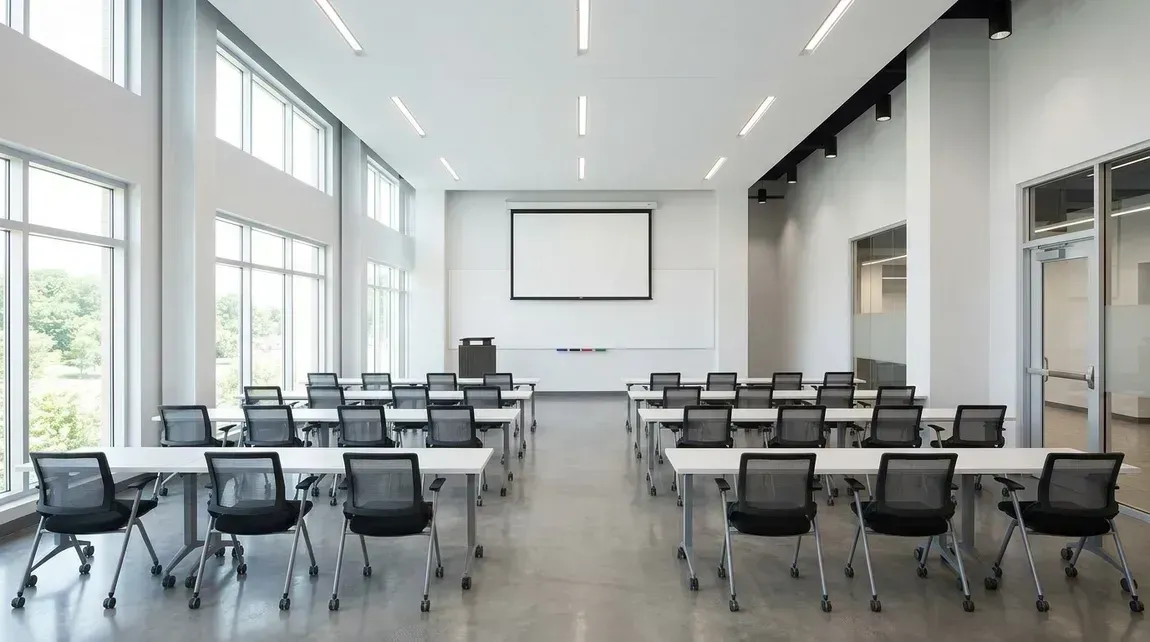
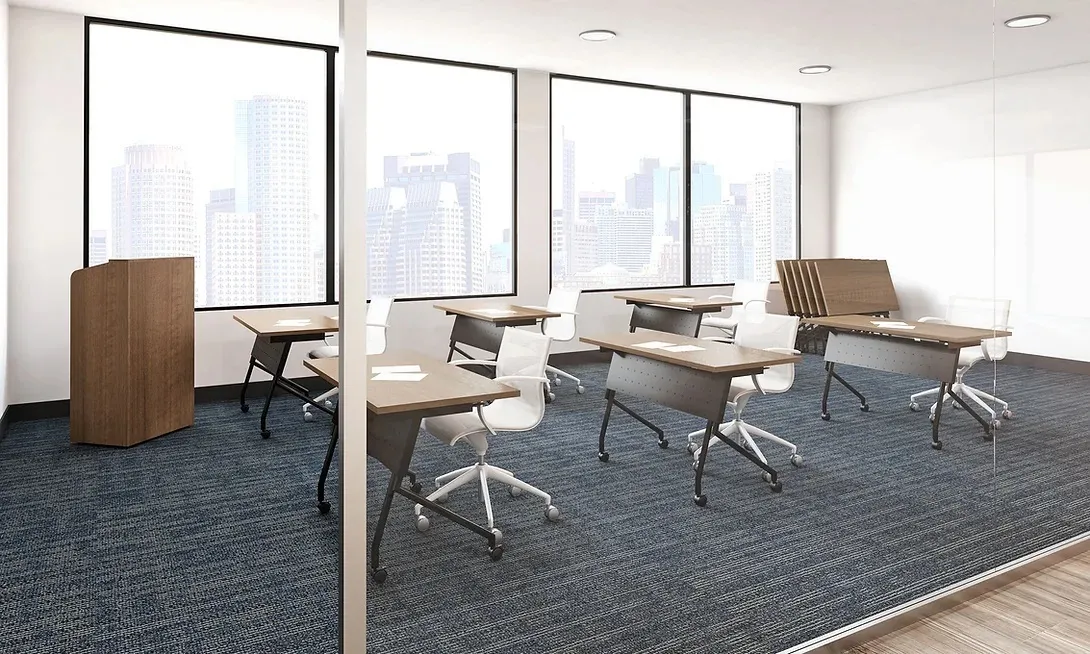
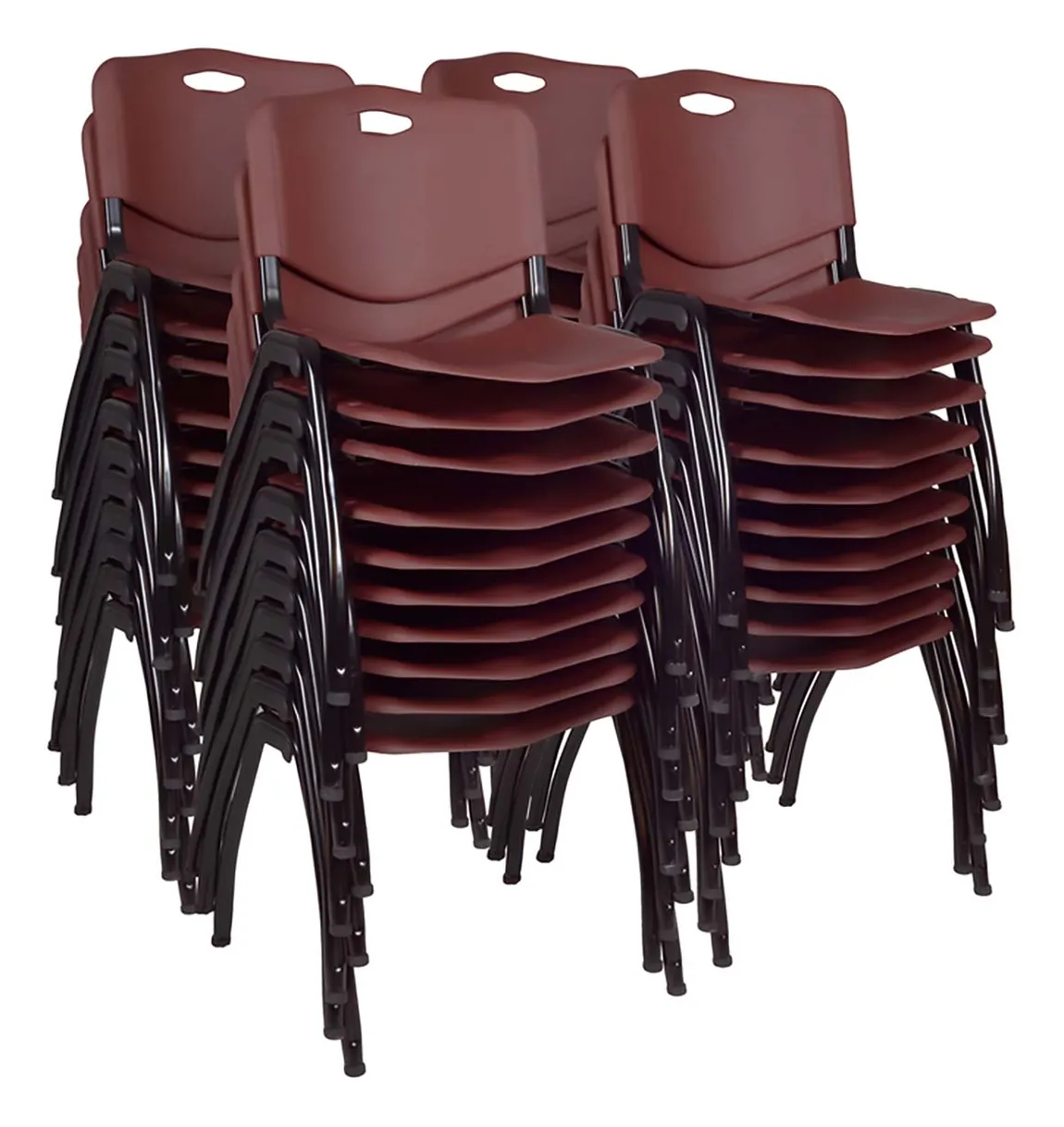
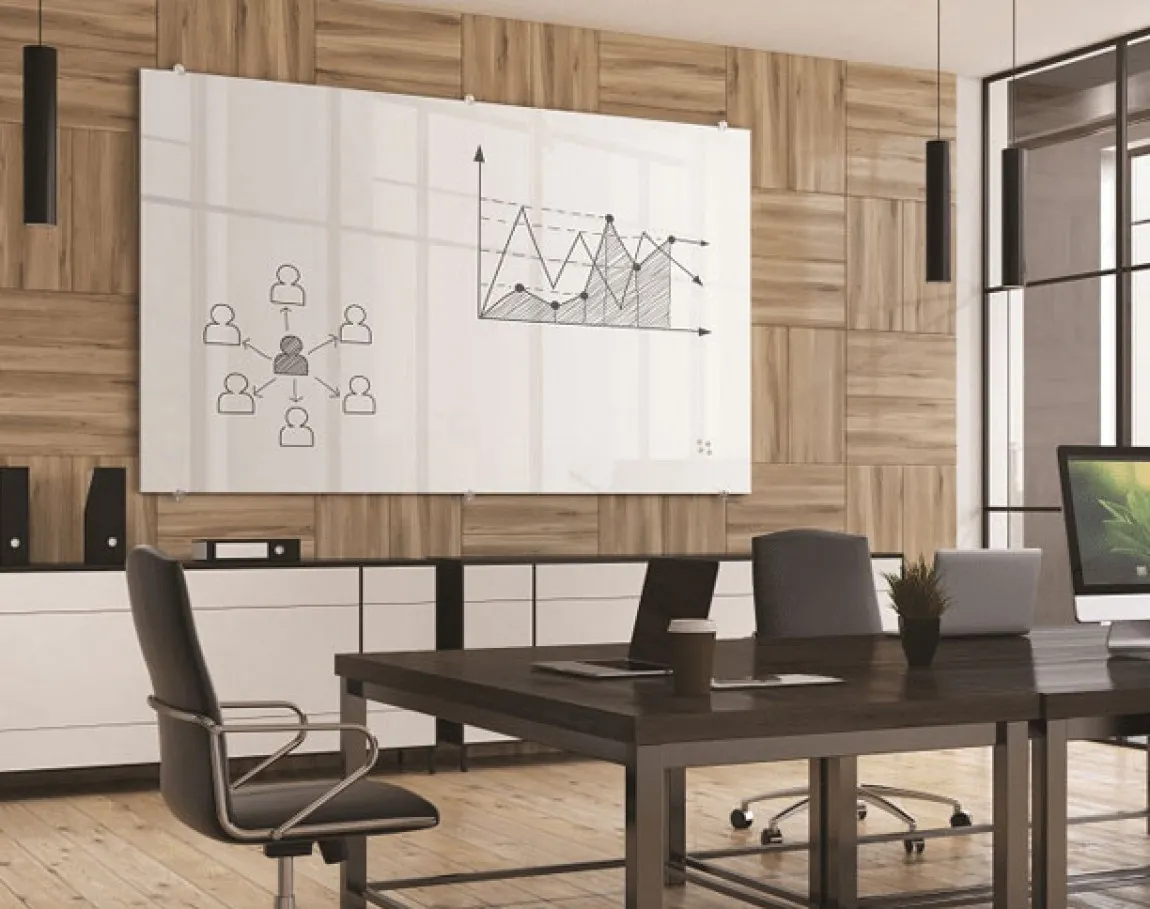
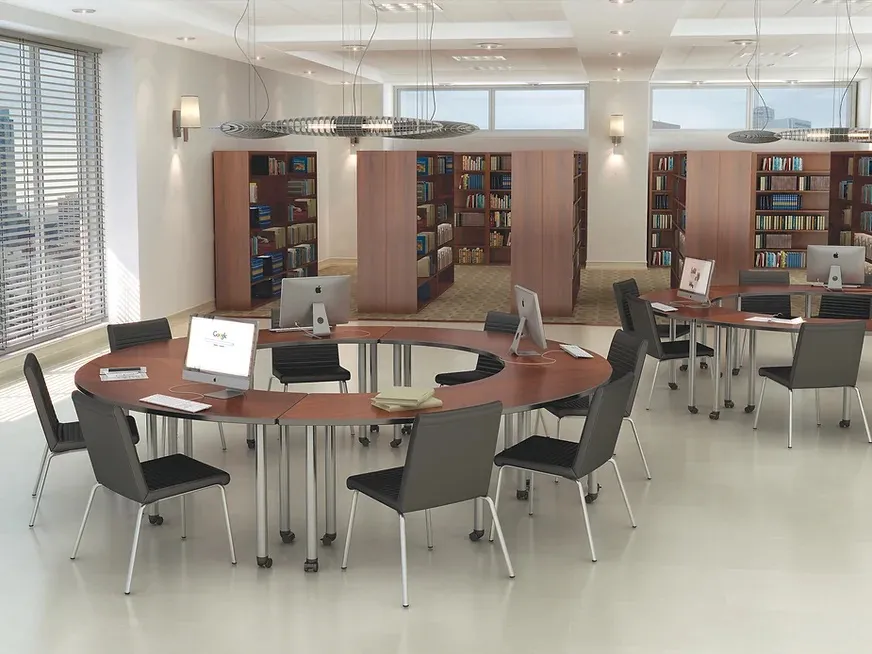
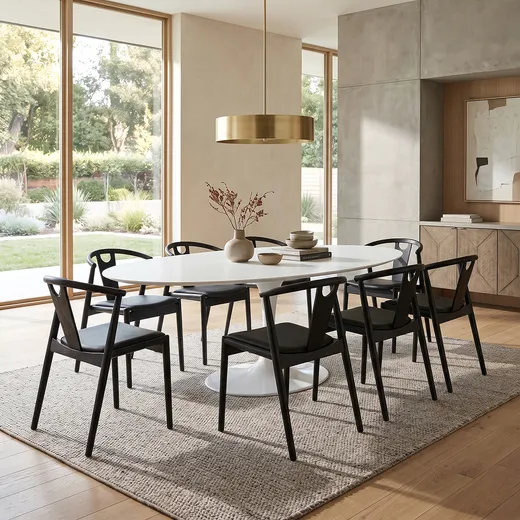
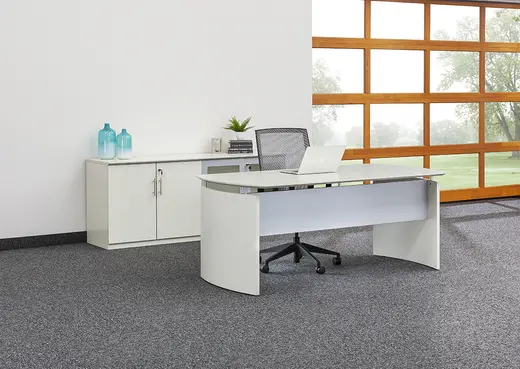
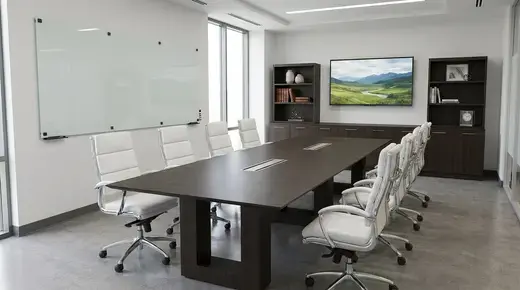
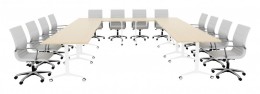
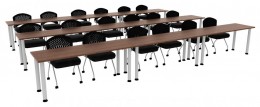
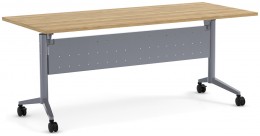
A well-designed training room creates an environment where learning, collaboration, and professional development can thrive. Years ago, while working in construction management, I saw firsthand how much impact a dedicated training room could have on an organization. The space was used for everything that a traditional conference room setting couldn't accommodate. Daily safety meetings, employee training, project updates, team-building activities, and company-wide discussions all took place there. More importantly, it became the place where the project's culture was established and reinforced. The conversations, expectations, and shared goals established in that room carried into the field every day. That experience demonstrated that a training room serves a much greater purpose than simply providing a place for presentations. It creates an environment where organizations invest in their people through onboarding, continuing education, leadership development, and collaborative learning. As businesses continue placing greater emphasis on workforce development, these spaces have become an important part of building knowledgeable, engaged teams. Creating an effective training room requires more than arranging tables and chairs. Training room furniture, mobile seating, presentation tools, and adaptable layouts all contribute to an environment that supports different teaching styles and learning objectives. Whether furnishing a business, educational institution, or government facility, thoughtful planning helps transform a training room into a space that continues delivering value long after the first lesson begins. Why Flexible Training Rooms Matter Training rooms rarely serve a single purpose anymore. A space used for employee onboarding at the beginning of the week may host leadership development, safety instruction, client presentations, continuing education, or collaborative workshops before the week is over. Many organizations also rely on the same room for department meetings, project planning, and company events, making versatility an important consideration during the planning process. I experienced that firsthand while working in construction management. The training room on our project could accommodate nearly 100 people, yet many meetings involved fewer than ten participants. Some onboarding sessions were conducted one-on-one, while others brought together an entire crew for safety meetings or company-wide updates. Because the tables and seating could be rearranged quickly, the same room supported everything from one-on-one onboarding sessions to company-wide safety meetings without disrupting the day's schedule. That flexibility is what makes a well-designed training room so valuable. Different training methods require different layouts, from rows facing an instructor to conference-style discussions and collaborative workgroups. Furniture that can be reconfigured quickly allows organizations to support changing instructional needs while making better use of a single room. Training Tables That Adapt to Every Session Training tables are often the most important piece of furniture in a learning environment because they determine how the room functions from one session to the next. Unlike fixed conference tables, modern training tables are designed to move, reconfigure, and store efficiently, allowing organizations to adapt the space as training objectives change. One lesson I learned while working in construction management was how often the training room shifted from classroom-style rows to small group discussions and large round-table meetings throughout a single workday. Rearranging the tables to support each activity became part of the routine, allowing the room to adapt as the needs of the project evolved. That adaptability is one of the greatest advantages of modern training furniture. Whether accommodating a one-on-one onboarding session, a department workshop, or a company-wide training event, flexible table systems allow the room to evolve without requiring additional furniture or permanent layout changes. Comfortable Seating Improves the Learning Environment Training sessions often require participants to remain engaged for extended periods, making seating comfort an important part of the learning environment. While training chairs may not offer the same level of adjustment as a dedicated office chair, quality seating provides the support needed for meetings, presentations, and instructional sessions that last several hours. In that training room, most meetings were organized before employees entered the room. Chairs and tables were arranged to fit the day's agenda, whether that meant classroom-style rows for safety instruction or conference-style layouts for project planning. Because the chairs were mobile, adjusting the room for the next meeting was a straightforward task rather than a time-consuming process. Selecting training chairs with casters also helps organizations adapt their spaces as needs change. Rearranging furniture for onboarding sessions, continuing education, or larger company meetings becomes much easier when seating is designed to move efficiently. Combined with comfortable construction and durable materials, mobile seating helps create training environments that remain productive throughout the workday. Whiteboards Keep Training Interactive and Information Visible Presentation tools are an essential part of any effective training room, but few are as versatile as a traditional whiteboard. While digital presentations and slide decks provide structured instruction, whiteboards allow trainers to expand on ideas, answer questions, emphasize key points, and communicate information that changes from one session to the next. Their flexibility makes them valuable in virtually every type of learning environment. Another thing that stood out to me was how frequently the whiteboard was used. Safety meetings always began with the day's focus points written on the board because we used behavior-based safety metrics to help identify and reduce at-risk activities before they became accidents. Beyond safety planning, the board was used for project schedules, important reminders, meeting notes, and even wishing a coworker a happy birthday. While diagrams were typically presented through PowerPoint, the whiteboard remained the central place for information that needed to be updated, reinforced, or discussed throughout the meeting. That same versatility benefits businesses, schools, and government facilities today. Whether supporting employee onboarding, instructor-led training, brainstorming sessions, or project planning, whiteboards encourage active participation while keeping important information visible to everyone in the room. Combined with adaptable furniture and thoughtful room layouts, they help create learning environments that support both instruction and collaboration. Planning a Training Room for Long-Term Success Creating an effective training room begins with understanding how the space will be used, not simply selecting furniture. Organizations should consider the size of their typical training sessions, the types of instruction being delivered, and how often the room will need to change layouts. Choosing adaptable furniture from the beginning allows a single space to support onboarding, continuing education, presentations, and collaborative workshops without requiring major changes between events. Looking back at my time in construction management, one of the greatest strengths of our training room was that it never felt limited to a single purpose. The same room that hosted morning safety meetings could become the setting for employee onboarding, leadership discussions, project planning, or company-wide gatherings later that day. Because the furniture and presentation tools supported each of those activities, the room became one of the most valuable assets on the project, supporting communication, learning, and collaboration every day. Whether furnishing a business, educational institution, or government facility, the most effective training rooms are designed to evolve alongside the organization. Flexible tables, mobile seating, presentation tools, and thoughtful layouts create spaces that continue supporting learning, collaboration, and professional development long after the furniture has been installed. An effective training room is an investment in people. When organizations create spaces that support learning, collaboration, and adaptability, they build environments that strengthen teams, improve communication, and encourage continuous professional growth. Thoughtfully selected training room furniture helps ensure those spaces remain valuable for years to come.
More From This Author |