Smart Office Storage That Keeps Teams MovingSmart Office Storage That Keeps Teams Moving
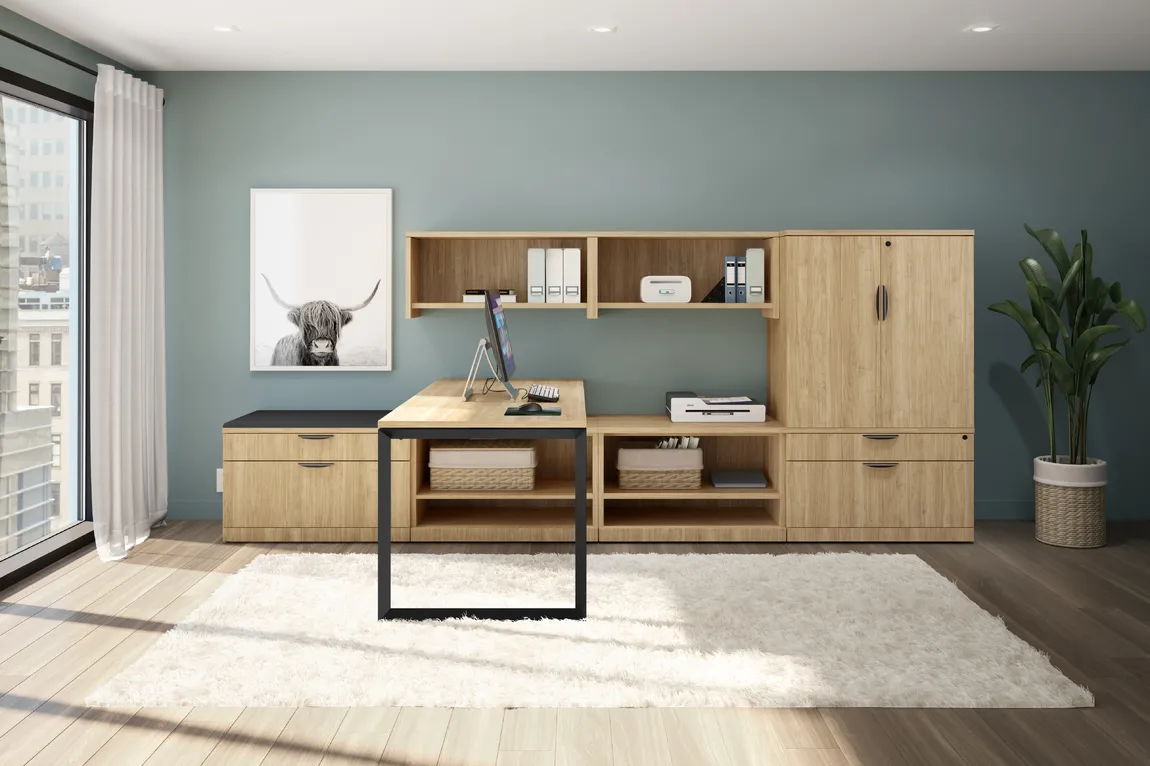
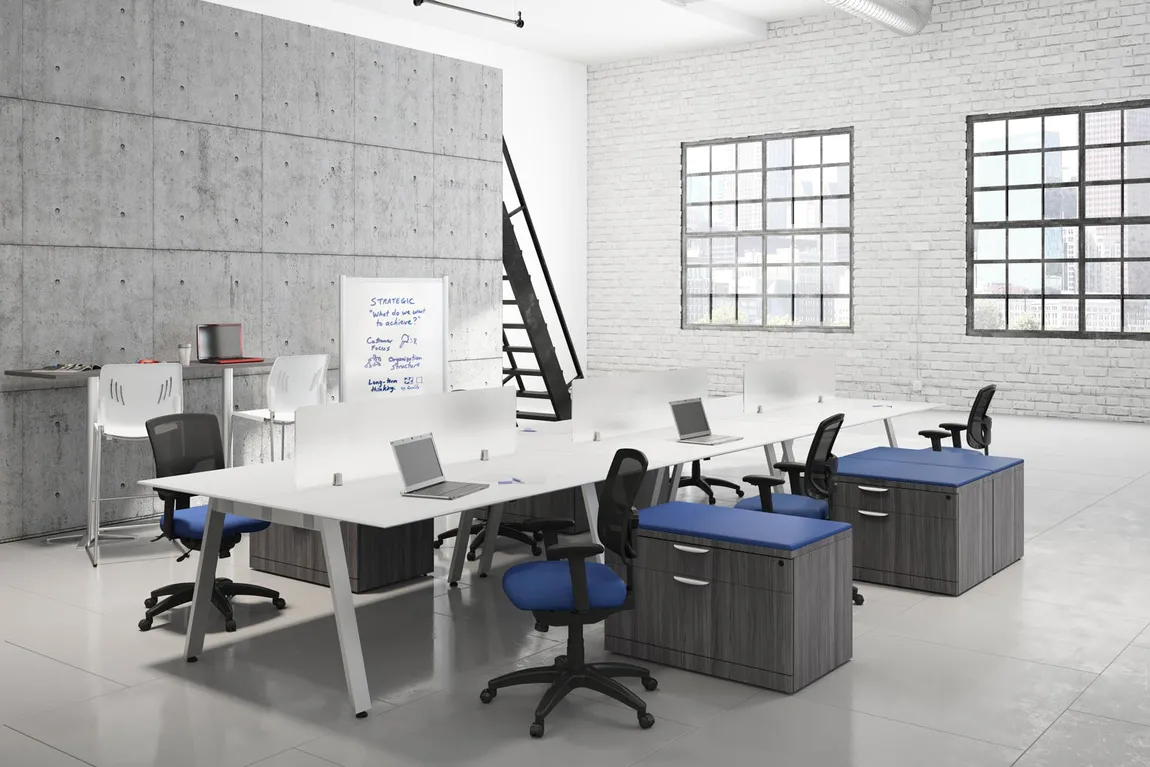
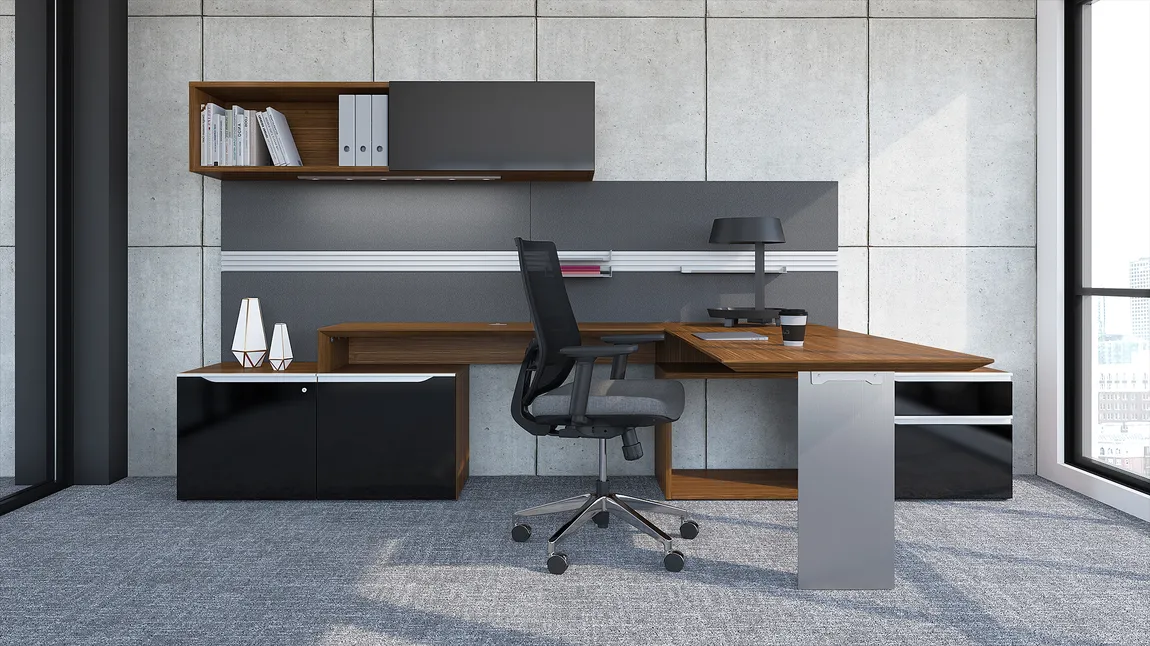
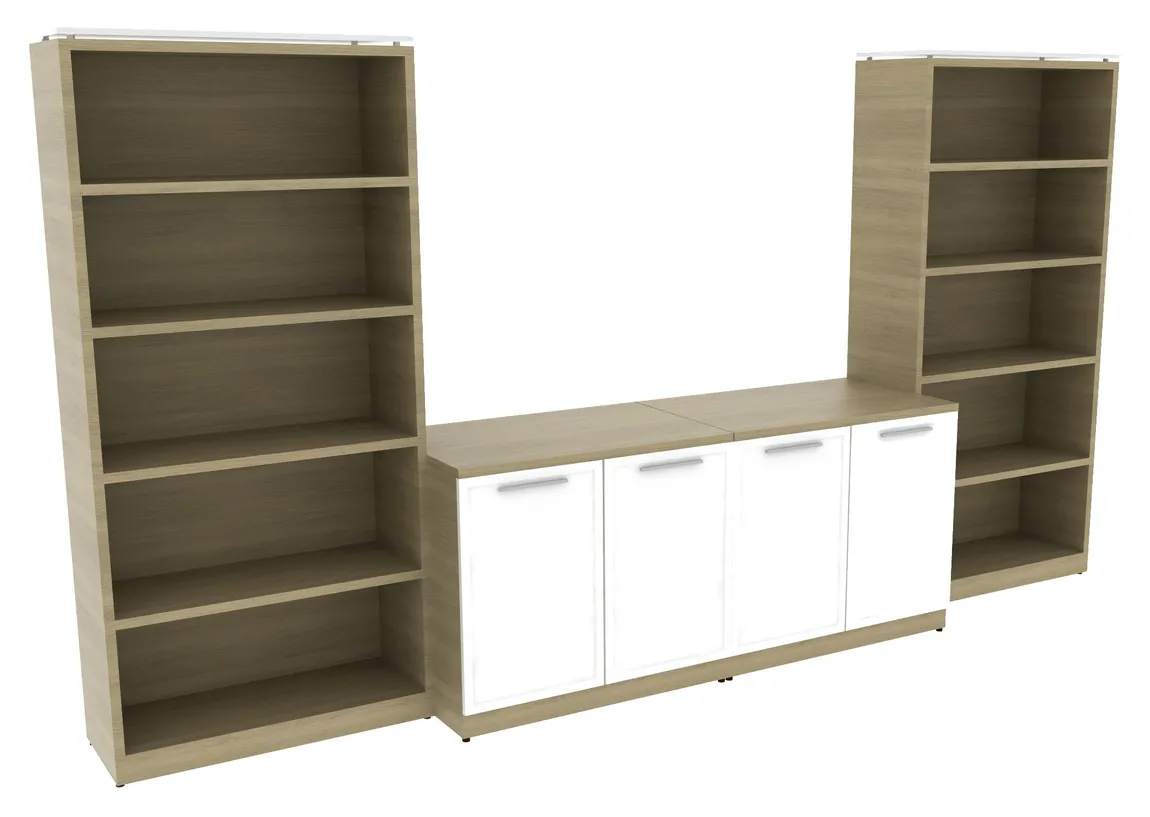
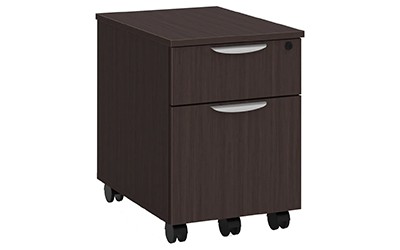
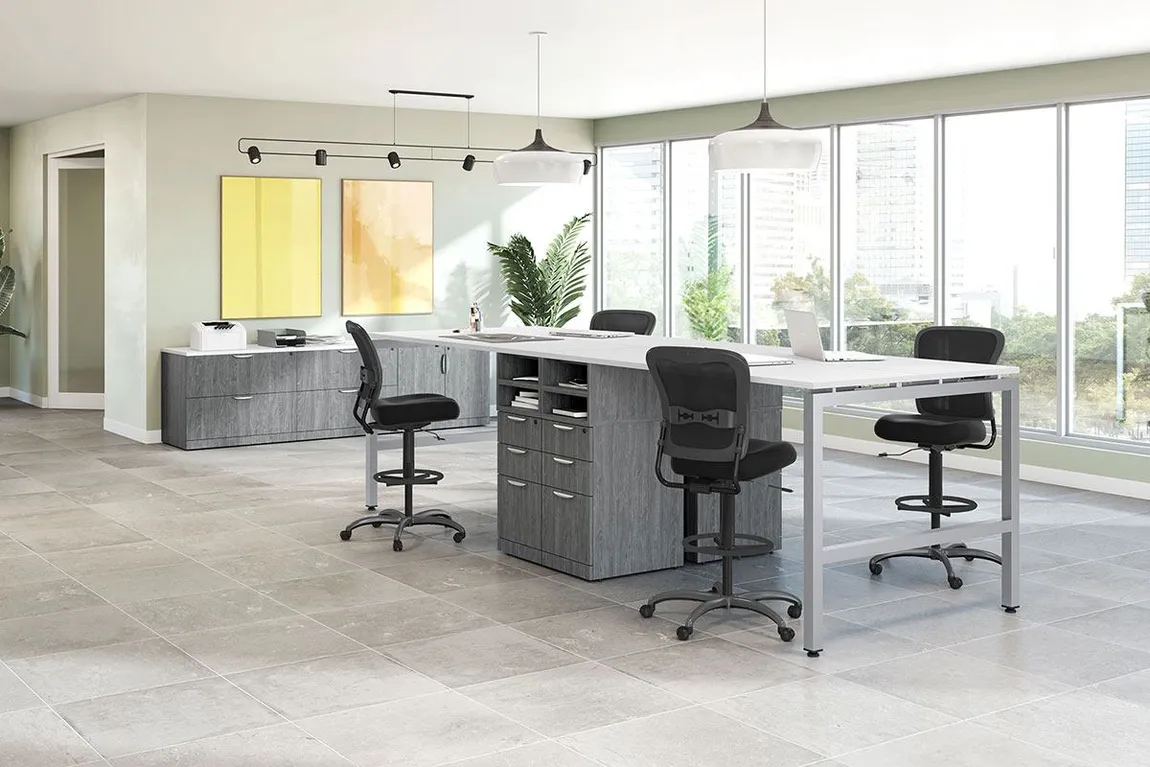
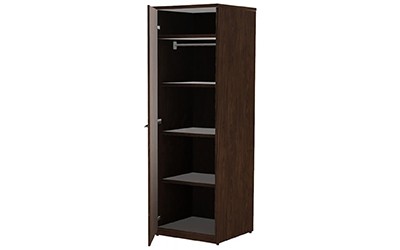
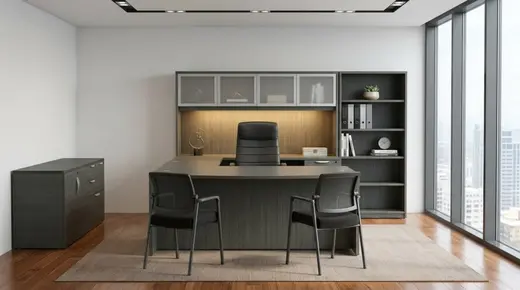
Proper office storage cannot be treated as an afterthought; it is a catalyst for operational efficiency. Strategic workplace planning must account for how materials, tools, and shared resources are organized if teams are expected to perform without friction. When storage is insufficient or poorly positioned, workflow slows and cognitive clarity declines. Clutter is not merely visual noise — it is operational drag. Teams lose measurable time to poorly structured storage systems. Minutes spent searching, retrieving, or relocating materials accumulate into productivity loss. Surface clutter often signals deeper structural inefficiencies in space planning. The placement of storage directly affects task transitions, circulation patterns, and how quickly employees can move from one activity to the next. For this reason, storage decisions must be evaluated with the same strategic weight as layout and seating. In hybrid and shared environments, the consequences are amplified. Rotating teams and fluctuating occupancy intensify the impact of disorganization. When storage is planned in coordination with layout design, organizations create streamlined environments that support movement, visibility, and accountability — allowing teams to focus on execution rather than retrieval. Storage Is a Workflow System — Not a Backroom Function At its core, office work is movement. Employees transition between tasks, reach for tools, retrieve materials, and shift between collaboration and focus. Even in desk-based roles, work is rarely static. Storage, therefore, should function as a control system for that movement. When work stalls due to misaligned storage and task zones, efficiency declines across the entire operation. Storage does not simply contain materials — it regulates how work flows through a space. From an operational perspective, every interruption cycle carries a cost. Searching for supplies or shared resources breaks cognitive momentum and forces task re-entry. While each delay may appear minor, compounded micro-disruptions impact team velocity. To preserve workflow continuity, storage must be planned intentionally through two primary models: centralized access points for shared resources and distributed storage aligned with specific task zones. Proximity directly influences productivity. The distance between a workstation and its supporting resources determines how often employees leave their task environment. Too little localized storage increases unnecessary movement; too much centralization creates congestion and traffic clustering. Effective zoning requires storage to be integrated into the layout strategy rather than placed as an afterthought. Cabinets, credenzas, shelving, and storage walls must be positioned as part of circulation planning — not simply added wherever space appears available. Desk-Level Storage That Reduces Task Friction At the workstation level, storage directly influences time-on-task. The closer high-frequency tools and materials are to the work surface, the fewer interruption cycles occur throughout the day. Repeated standing, walking, or searching may appear insignificant in isolation, but across teams and weeks, these micro-disruptions erode workflow continuity. Effective desk-level storage reduces this friction by keeping essential resources within immediate reach while preserving a clear work surface. In hybrid environments, personal organization cannot depend on permanent desk ownership. As assigned seating models decline, storage must support mobility and flexibility. Mobile pedestals and compact personal units allow employees to maintain organization without anchoring resources to a single workstation. This approach supports clean desk policies, reduces territorial friction, and allows teams to transition between in-office days without sacrificing efficiency. Frequency of use should guide placement decisions. High-use items belong locally; lower-frequency resources can be centralized. When desk-level storage is aligned with actual task behavior, surfaces remain disciplined, transitions become faster, and shared environments stay organized. Thoughtful proximity planning transforms storage from a passive container into an active support system for daily productivity. Vertical & Wall-Based Storage That Protects Square Footage Square footage is one of the highest fixed expenses in any workplace. Poor storage placement quietly erodes usable space, reducing workstation capacity and limiting layout flexibility. Smart office storage solutions should preserve floor area while improving workplace efficiency, not compete with it. Vertical storage is one of the most effective ways to increase capacity without expanding a footprint. By leveraging height instead of horizontal spread, organizations can maintain circulation while improving storage density per square foot. Tall office storage cabinets, storage Walls, modular office storage systems, and open office shelving consolidate materials upward rather than outward. These solutions centralize shared resources and support an organized workspace without sacrificing valuable floor area. Scattered low-density file cabinets often lead to duplicated materials and inconsistent oversight. Departmental micro-storage consumes more space collectively than centralized vertical systems. Smart office storage cabinets and wall-based office shelving improve visibility, streamline resource management, and reinforce operational discipline. When circulation paths remain clear and sightlines stay open, layout efficiency improves. Height, used strategically, transforms storage from a space consumer into a square-footage optimization tool. Mobile Storage That Supports Flexible Workspaces Flexibility has become a baseline requirement in modern office environments. As hybrid schedules fluctuate and teams reorganize around projects, fixed storage can restrict layout adaptability. Mobile office storage allows organizations to respond to change without costly reconfiguration. When storage moves with the workspace, flexibility becomes operational rather than theoretical. Rolling cabinets, modular units, and mobile storage systems reduce the friction associated with layout adjustments. Instead of anchoring resources to a single location, these solutions allow departments to shift density, reassign seating, or reconfigure collaboration zones without disrupting workflow. In flexible workspace design, adaptability protects both efficiency and capital investment. Mobility also supports hybrid office storage strategies. As assigned seating declines, personal organization must transition with the employee rather than remain tied to a desk. Mobile pedestals and compact units preserve accountability while supporting clean desk policies and shared environments. By allowing storage to evolve alongside layout changes, organizations prevent territorial friction and maintain continuity across fluctuating occupancy. When mobility is integrated into smart office storage planning, adaptability becomes infrastructure. Storage no longer limits how a space performs — it enables it. Centralized Storage Zones That Keep Teams Moving Decentralized supplies often create hidden inefficiencies. When materials are scattered across departments or tucked into isolated cabinets, duplication increases and oversight declines. Small pockets of micro-storage may seem convenient, but collectively they consume more space and encourage inventory creep. Without structured office organization systems, clutter expands quietly, and workplace efficiency erodes. Centralized storage zones bring predictability back to workflow. Shared resource hubs, coordinated storage walls, and designated supply centers streamline access while reducing unnecessary cross-traffic. When employees know exactly where shared materials live, retrieval becomes faster, and circulation patterns remain clear. Smart office storage planning aligns these zones with a layout strategy that supports movement rather than disrupts it. In hybrid environments, centralized office storage solutions also reinforce accountability. Shared zones reduce surface clutter, discourage territorial hoarding, and support clean desk practices. Access becomes standardized rather than personalized, creating an organized workspace that adapts to rotating teams and fluctuating occupancy. When storage is consolidated and intentional, it strengthens operational discipline across the entire office. The Business Case for Smart Office Storage Smart office storage is not simply an organizational preference — it is an operational investment. When storage is aligned with workflow, measurable gains follow. Time lost to searching, retrieving, and relocating materials declines. Task interruptions become less frequent. Transitions between activities accelerate. Across teams, these incremental improvements compound into meaningful productivity gains. Workplace efficiency is also reflected in space utilization. Smart office storage solutions that preserve floor area and support centralized organization reduce duplication and prevent unnecessary expansion. By protecting square footage and simplifying reconfiguration, organizations lower long-term capital costs while maintaining flexibility. Storage planning, in this sense, directly influences both operating performance and real estate efficiency. An organized workspace also strengthens onboarding and team alignment. When resources are visible, standardized, and predictably located, new employees integrate faster, and shared accountability improves. Smart office storage supports clarity — visually, operationally, and culturally. When storage is treated as infrastructure rather than an afterthought, it becomes a lever for sustained performance across the entire workplace. Conclusion: Storage as Operational InfrastructureSmart office storage is not a finishing touch — it is operational infrastructure. It shapes how work moves, how quickly teams respond, and how efficiently square footage performs. When storage systems are aligned with workflow, proximity, and visibility, friction declines and productivity stabilizes. Organization becomes embedded in the environment rather than dependent on individual habits. As teams evolve, storage must evolve with them. Hybrid schedules, shifting department structures, and changing inventory demands require solutions that scale without forcing costly redesign. Modular storage systems, mobile units, and vertical strategies allow organizations to adjust density and function without disrupting daily operations. In this way, storage planning supports business agility rather than constraining it. At Madison Liquidators, we view office storage as part of a broader workspace strategy — one that balances efficiency, adaptability, and long-term capital performance. By evaluating how materials move through a space and how teams interact with their environment, we help organizations design storage systems that reinforce productivity rather than slow it down. In modern workplaces, organization is not cosmetic — it is competitive.
More From This Author |