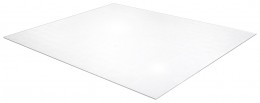
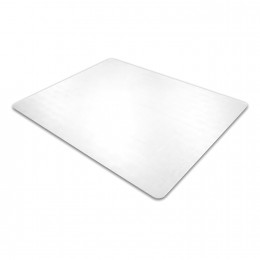
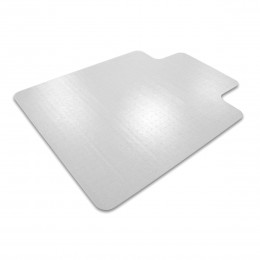
Why Every Desk Needs a Chair Mat (And Why Glass Is Better)Why Every Desk Needs a Chair Mat (And Why Glass Is Better)
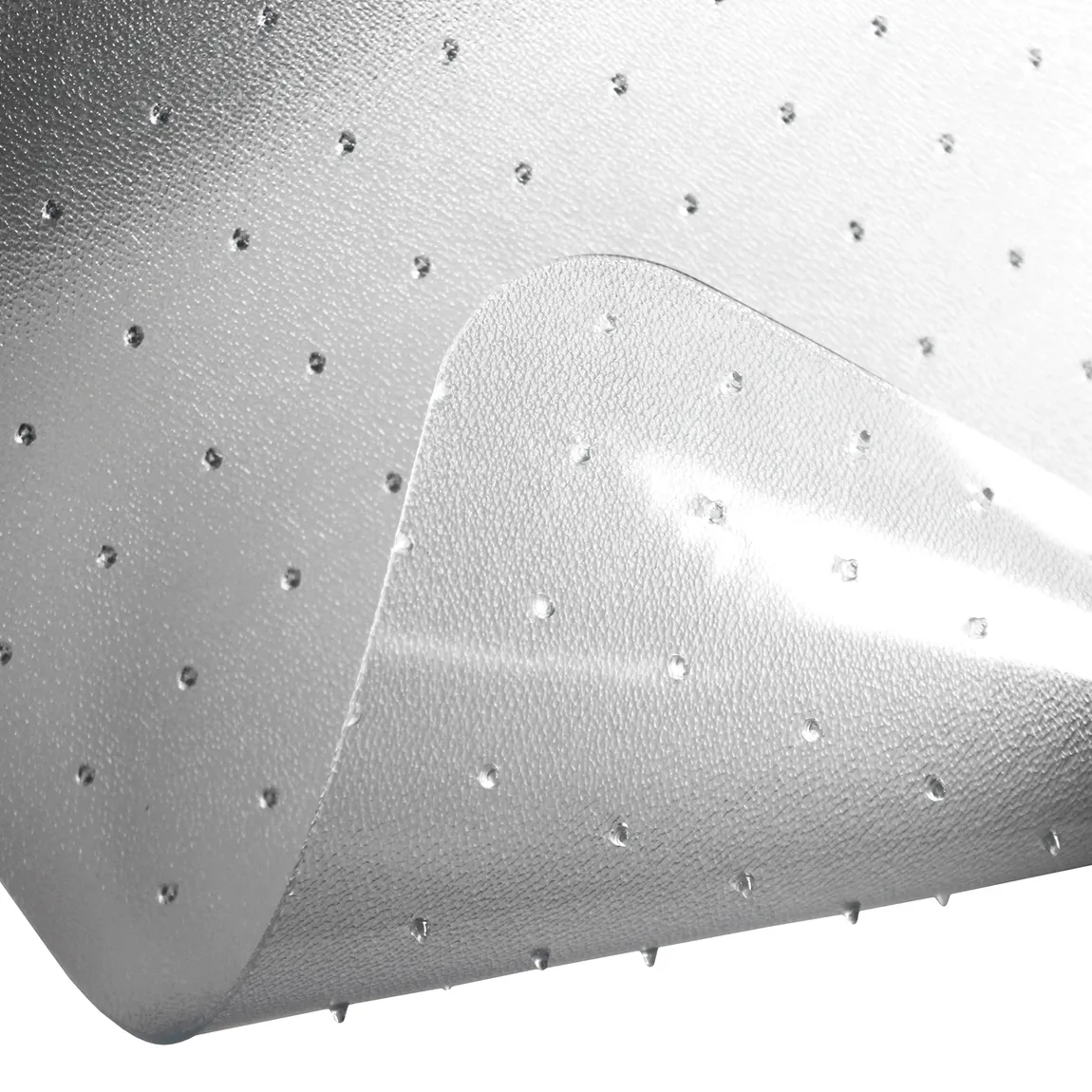
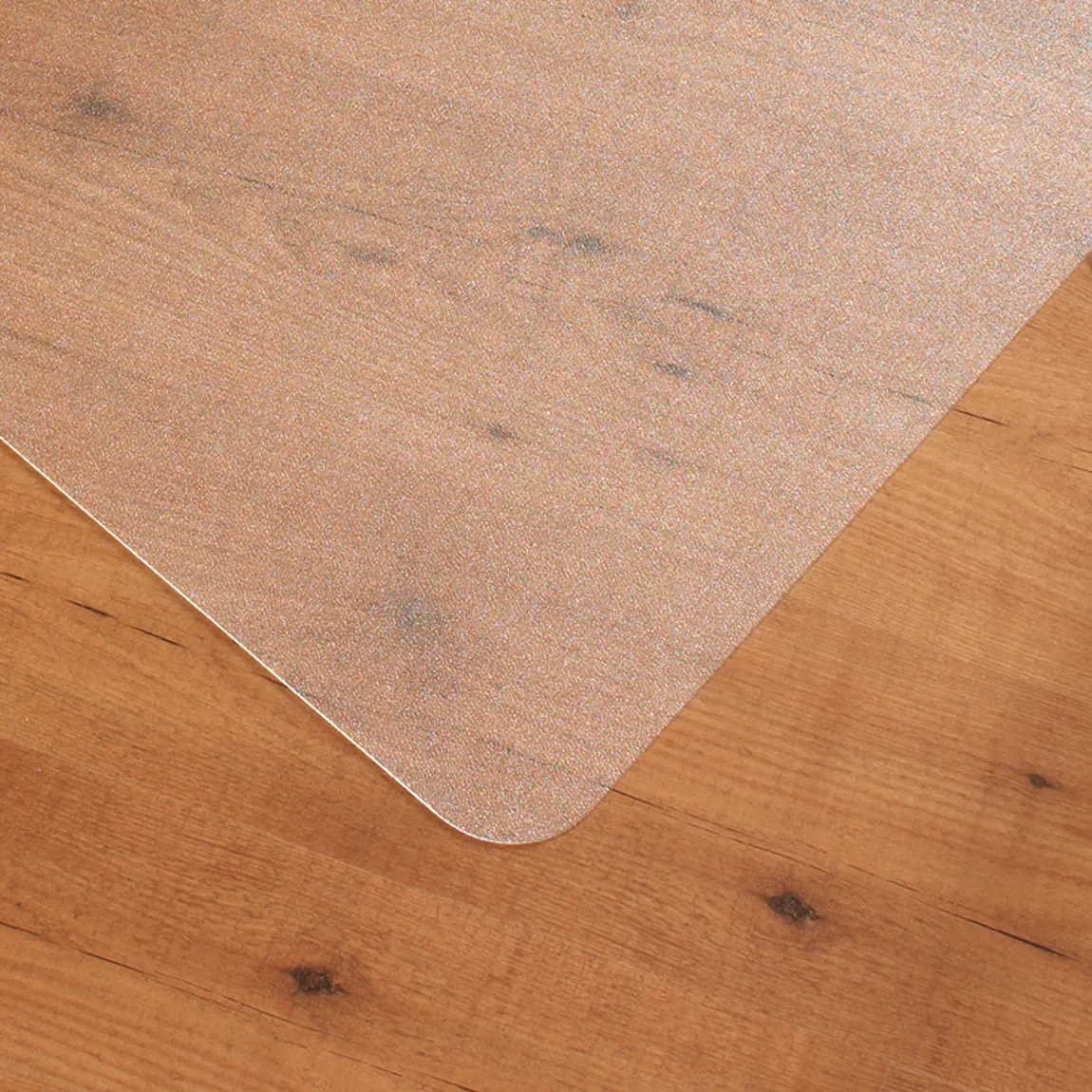
Workstations are often planned around desks and chairs, yet the surface beneath the chair is rarely considered. That surface absorbs daily movement, pressure, and friction—quietly taking the impact of every task transition. When furnishing an office, this overlooked detail can influence not only the longevity of furniture but the condition of the physical space itself. Over time, chair casters compress carpet fibers, scratch hardwood finishes, and dull hard surfaces. The damage happens gradually, but it is predictable. What begins as minor wear eventually becomes visible deterioration, leading to maintenance costs, layout limitations, and premature flooring replacement when occupancy shifts or redesigns occur. Beyond floor protection, chair performance also changes without a stable rolling surface. Increased resistance makes micro-adjustments harder, adding subtle strain throughout the workday and disrupting natural movement. A proper barrier preserves both glide and surface integrity. For these reasons, every workstation should include a chair mat. The real decision isn’t whether one is necessary—it’s which type offers lasting performance and protection. Floor Protection — Carpet vs. Hard Floors Floor protection begins with understanding how different surfaces respond to repetitive movement. On carpet, chair casters concentrate weight into small contact points. Over time, fibers compress and fail to rebound, creating visible ruts and uneven wear patterns. As the surface deteriorates, rolling resistance increases, accelerating the strain on both the flooring and chair. What begins as minor matting often becomes permanent indentation, sometimes extending to the subfloor beneath. Hard surfaces are not immune. Hardwood, laminate, vinyl, and tile may appear durable, but repeated caster movement creates micro-abrasions that gradually wear down protective finishes. Scratches accumulate, gloss dulls, and indentations form under sustained pressure. Once the protective layer is compromised, restoration becomes significantly more expensive than prevention. Whether selecting a chair mat for carpet or a chair mat for hardwood, the objective remains the same: create a controlled intermediary surface. A chair mat distributes pressure and isolates friction, protecting both carpet and hard flooring from predictable deterioration while preserving long-term value. Chair Performance & Ergonomics Chair performance is directly influenced by how easily it moves. Effective ergonomics are not static; they rely on subtle shifts throughout the workday—rolling closer to the desk, adjusting posture, pivoting between monitors, and transitioning between tasks. When movement is smooth, micro-adjustments happen naturally. When resistance increases, strain follows. On unprotected carpet, chair wheels sink slightly into fibers, increasing drag and requiring additional effort to reposition. On hard surfaces, inconsistent friction interrupts glide. These small resistances may seem insignificant in isolation, but repeated dozens or hundreds of times per day, they compound. Over time, the added effort contributes to fatigue and reduced comfort. A properly selected office chair mat creates a consistent rolling surface that preserves mobility. By reducing friction and maintaining smooth glide, it supports natural movement patterns rather than working against them. The difference becomes especially noticeable over extended workdays—and it is one of the most overlooked contributors to workstation performance. Plastic vs. Glass: What’s Worth It? Plastic chair mats have long been considered the standard solution for desk chair floor protection. They are affordable, easy to source, and immediately improve rolling performance on both carpet and hard surfaces. For light-duty environments or short-term setups, plastic mats provide a functional layer of protection that is far better than leaving flooring exposed. However, plastic mats come with limitations that become more visible over time. Edges curl, surfaces crack under heavier chairs, and indentations form where wheels repeatedly rest. On carpet, thinner plastic can flex and eventually fracture. On hard floors, discoloration and clouding diminish appearance. As performance degrades, many plastic mats require replacement within a few years—restarting the cycle. Glass chair mats are engineered as a long-term alternative. Tempered glass resists cracking, denting, and curling while maintaining a consistently smooth rolling surface. With higher weight capacities and scratch resistance, glass mats preserve both floor protection and chair mobility without performance decline. Visually, they maintain clarity and integrate cleanly into professional environments. Over time, the cost comparison shifts. A single glass chair mat can outlast multiple plastic replacements, reducing recurring expense while delivering consistent performance. For organizations focused on durability and capital efficiency, the difference becomes practical rather than cosmetic. Cost Over Time — The Real Comparison Upfront cost often drives chair mat decisions, but lifecycle cost tells a different story. A plastic chair mat may appear economical at first, yet many require replacement within one to three years, depending on usage and chair weight. Curling edges, cracking, and surface indentations gradually compromise both performance and appearance, leading to repeated purchases over time. Glass chair mats carry a higher initial price, but they are designed for longevity. Tempered glass resists denting, does not curl, and maintains structural integrity under sustained weight. Rather than entering a replacement cycle, organizations make a single investment that continues to perform year after year. When evaluated over a five- to ten-year horizon, the cost gap narrows significantly—and in many cases reverses. What begins as a premium purchase becomes a capital preservation decision. For workstations intended to support long-term productivity, durability carries measurable financial value. Long-term appearance is another factor that affects replacement cycles. Plastic mats often discolor, become cloudy, or develop visible wheel impressions that make workstations look worn even when the surrounding furniture remains in good condition. Glass chair mats maintain their clarity and structural shape over time, preserving a cleaner and more professional workstation environment. When durability, appearance, and replacement frequency are considered together, the economics become clearer. Instead of budgeting for recurring replacements, organizations invest once in a surface designed to perform indefinitely. In that context, a glass chair mat is less about premium materials and more about eliminating the hidden costs of short-term solutions. Clear Recommendation Without HypeA chair mat is not a decorative accessory; it is operational infrastructure beneath every desk. It protects flooring from predictable wear, preserves chair performance, and stabilizes long-term workstation value. Skipping it places both the surface and the user experience at risk. Plastic chair mats provide baseline protection and may be suitable for temporary or light-duty environments. But for permanent workstations and professional settings, durability should not be an afterthought. Glass chair mats deliver consistent performance, structural longevity, and visual clarity without degradation. When evaluated through lifespan, appearance, and cost over time, the upgrade is practical—not premium. Every desk needs a chair mat. Choosing glass simply determines whether that protection is temporary or lasting.
More From This Author |