How to Choose the Right Office Desk for Your WorkspaceHow to Choose the Right Office Desk for Your Workspace
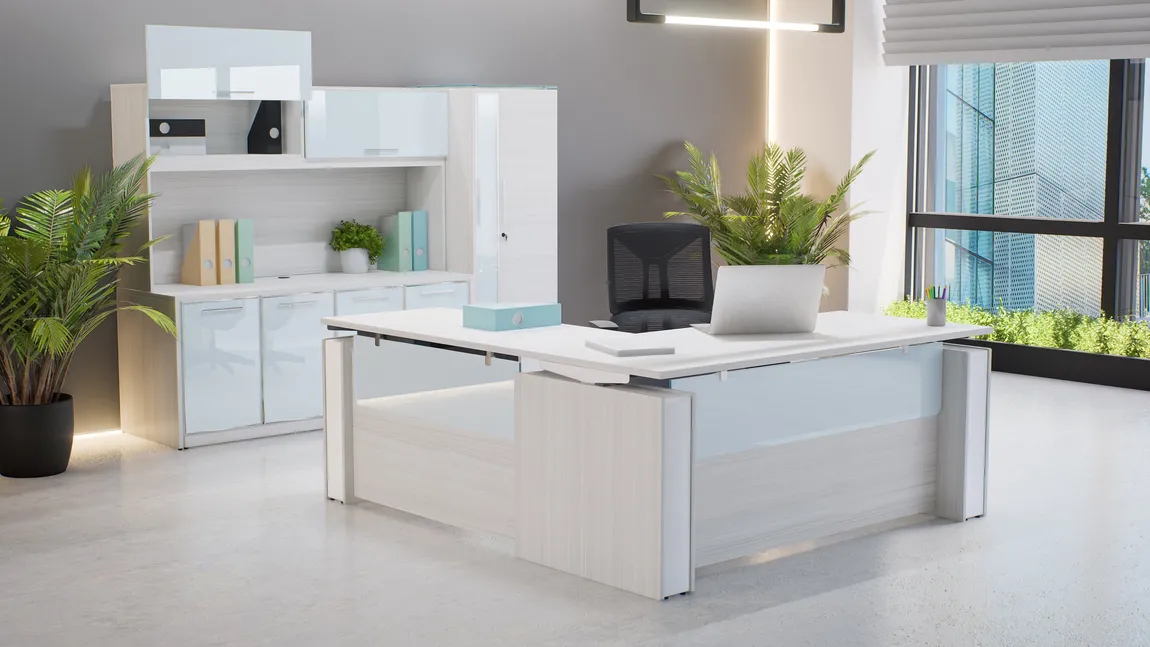
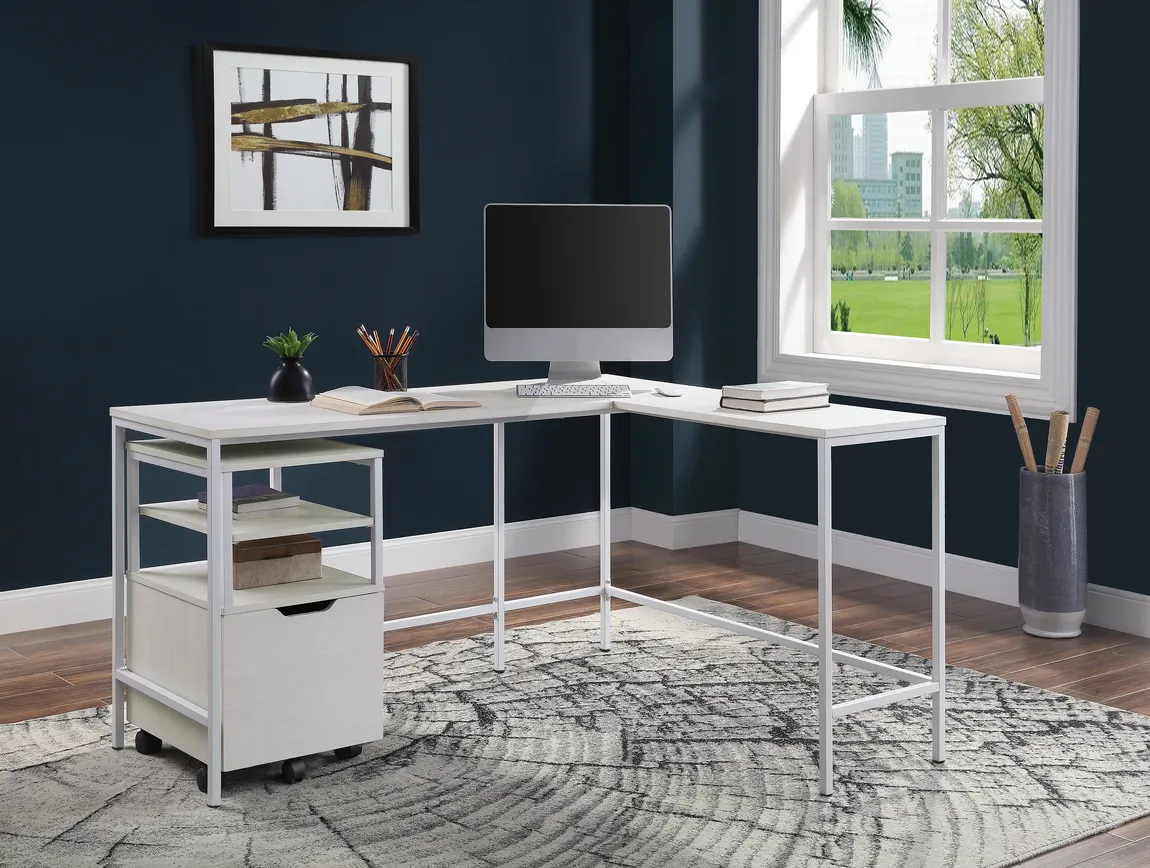
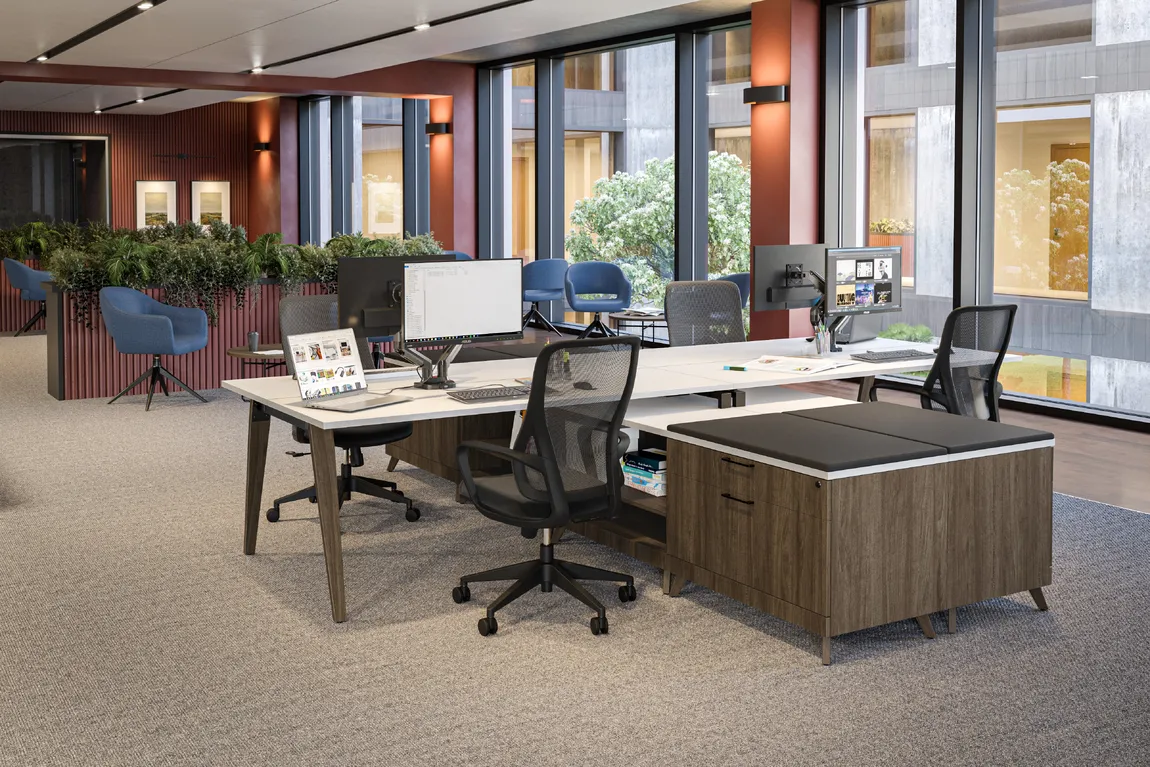
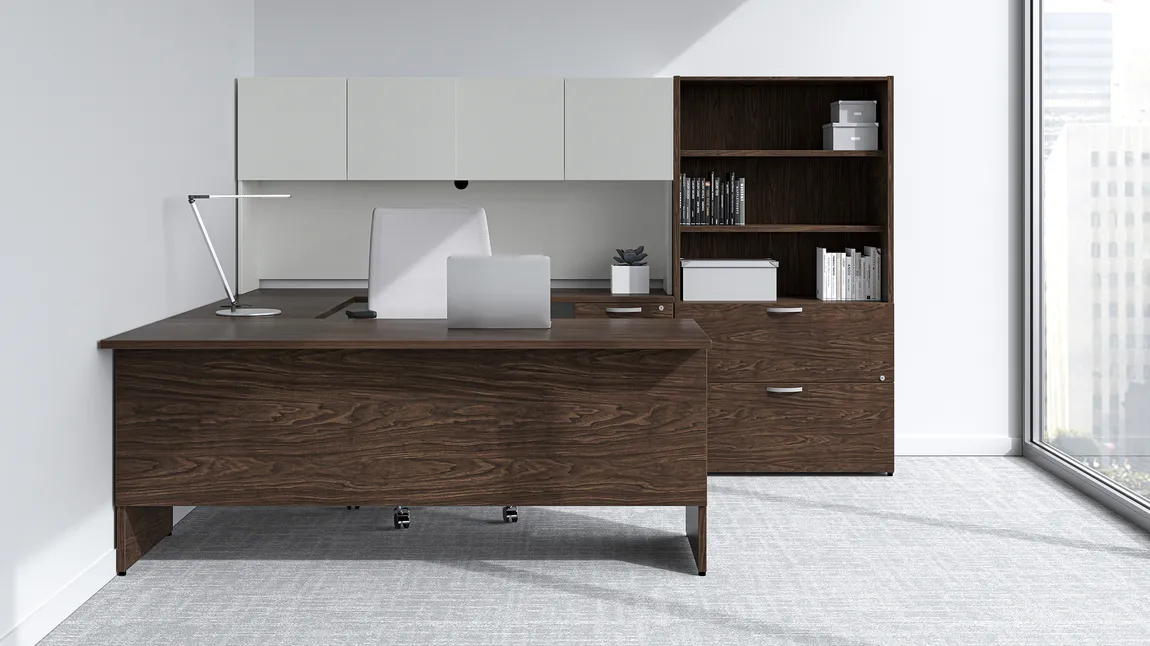
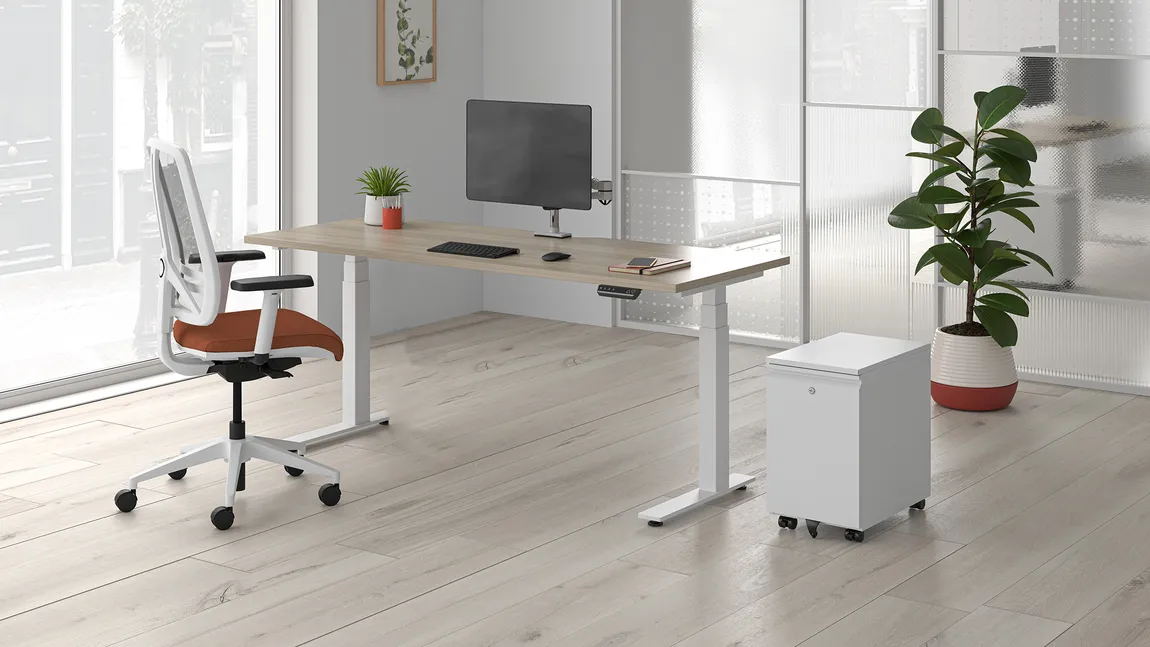
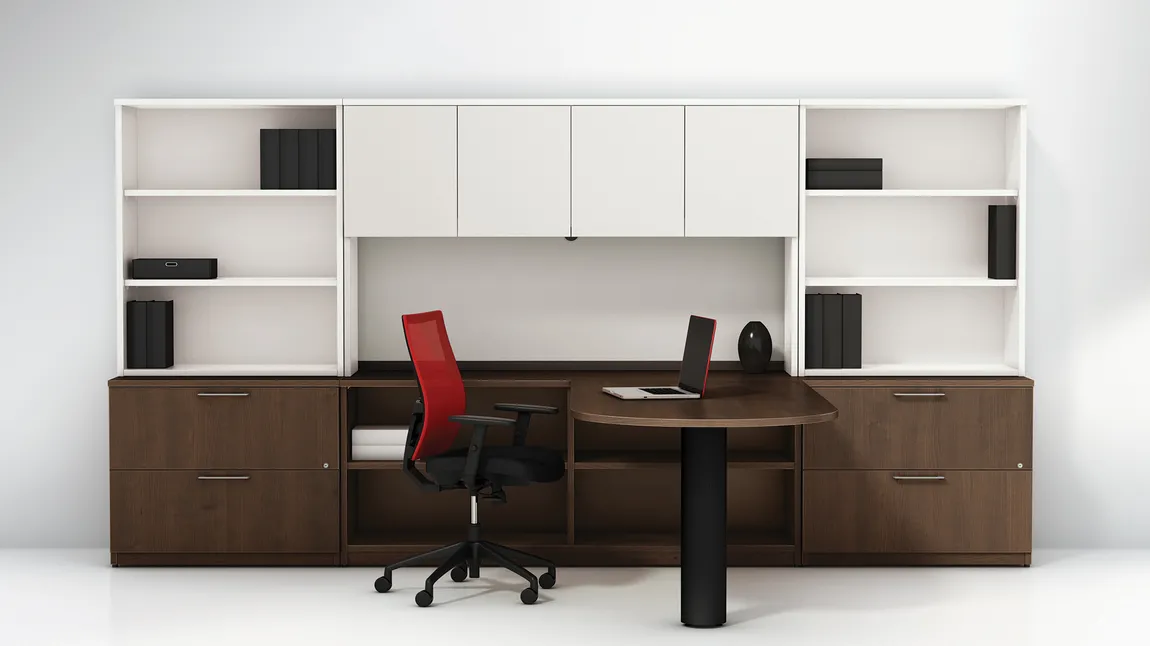
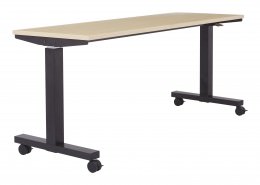
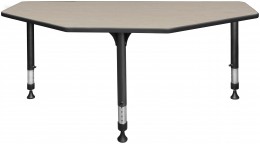
Let’s get right to the point: the office desk is one of the most important pieces of furniture in any workspace. Selecting the right desk involves more than appearance. The desk you work at every day influences productivity, organization, and long-term comfort. A poorly chosen desk can limit workspace efficiency and create unnecessary obstacles for daily tasks. Finding the right option begins with understanding the needs of your workspace. Factors such as available space, daily workflow, storage requirements, and ergonomic considerations should all influence your decision. Office desks are available in a wide range of styles and configurations, from compact home office desks to executive workstations and height-adjustable desks designed for flexibility. Why the Right Office Desk MattersDaily office work depends on a functional and well-organized workspace. An inefficient desk can limit productivity by restricting surface area, disrupting equipment layout, or reducing overall workspace efficiency. Because the desk often serves as the center of daily operations, it should be one of the first pieces of furniture considered when planning an office environment. Modern office desks are designed for a wide range of professional needs. Different drawer configurations, built-in storage options, and workspace layouts allow businesses to select desks that support specific workflows. These design variations also make it easier to create office layouts tailored to the needs of the organization. Ergonomic considerations are equally important. Features such as proper desk height, monitor positioning, and posture support help reduce fatigue and support long-term comfort during extended work sessions. Consider Your Workspace Size and LayoutEnsuring that a desk fits comfortably within the workspace begins with careful planning. Measuring the available floor space and considering nearby elements such as doorways, walkways, and surrounding furniture helps establish a practical layout. Leaving enough room for movement around the desk is equally important, allowing employees to move freely while maintaining an organized and functional workspace. Office desks are available in a wide range of sizes and configurations designed to accommodate different environments. Compact desks and minimalist setups are often ideal for home offices or smaller workspaces, while larger offices may accommodate executive desks or multi-surface workstation designs. Assessing the needs of the workspace alongside the available floor space helps narrow down the most appropriate desk options. Need help with office layout? Madison Liquidators can help. Visit our office floor plans section today! Understanding Different Office Desk TypesOffice desks are designed to support different work environments, and each type serves a specific purpose depending on how the workspace is used. Understanding these differences helps narrow down which desk best aligns with daily tasks and overall office layout. Home Office Desks Home office desks are designed to function within smaller spaces in residential settings. They typically feature streamlined designs with enough surface area to support essential equipment without overwhelming the room. These desks are ideal for remote work setups where simplicity and space efficiency are priorities, even if storage options are limited. Because space is often restricted in home environments, selecting the right size and configuration is critical. Compact desks with minimal footprints help maintain an open feel while still supporting daily tasks. For users with limited storage elsewhere, pairing a smaller desk with external storage solutions may be necessary to maintain organization. It’s also important to understand the difference between residential-grade and commercial-grade desks. Residential desks are often built for lighter, occasional use, while commercial-grade furniture is designed to withstand daily workloads in professional environments. Differences in materials, construction, and weight capacity can impact how well a desk holds up over time. For individuals working from home full-time, choosing a desk built for consistent use can provide greater durability and long-term value. Workstation Desks Workstation desks are commonly used in shared office environments where collaboration and consistency are priorities. These desks are often arranged in modular configurations, allowing multiple employees to work within the same space while maintaining defined individual work areas. Their design supports efficient layouts and can accommodate a range of equipment setups depending on team needs. Unlike traditional cubicles, workstation desks are designed to balance collaboration with focused work. They allow teams to remain connected without fully enclosing each workspace, helping maintain communication while preserving a level of individual productivity. This makes them a practical solution for offices looking to maximize space without sacrificing functionality. Executive Desks Executive desks are designed for larger office spaces and typically provide expanded work surfaces along with integrated storage. These desks often include drawers or filing systems that help keep documents and materials organized. Their size and structure make them ideal for roles that require managing multiple tasks or working with a variety of materials throughout the day. Because of their size, executive desks require careful placement within the office layout. They are best suited for private offices or larger workspaces where there is enough room to accommodate both the desk and surrounding movement. When used in the right setting, they provide a balance of functionality, organization, and professional presence. Height-Adjustable Desks Height Adjustable desks offer flexibility by allowing users to alternate between sitting and standing positions throughout the day. This adaptability supports movement and helps reduce the strain associated with prolonged sitting. These desks are increasingly common in modern office environments where comfort and long-term usability are key considerations. Many designs incorporate features such as integrated storage and multi-surface configurations, allowing users to create distinct work zones within the same desk. Height-adjustable desks are often used in setups that prioritize both productivity and long-term health, making them a practical option for a wide range of professional environments. Storage and Organization Needs Storage plays a direct role in how efficiently a workspace functions. Desks vary widely in their storage capacity, and insufficient storage can quickly lead to clutter and disorganization. A workspace without adequate storage often becomes difficult to manage, slowing down daily tasks. To address this, many office desks are designed with features such as drawers, shelving, and built-in filing systems that help keep materials organized and accessible. Matching storage to workflow is just as important as the amount of storage itself. Administrative roles often require filing systems for documents, while creative roles may benefit more from open surface space. Desks that keep frequently used items within reach help reduce unnecessary movement and improve efficiency. Additional features such as cable management channels also contribute to a cleaner, more organized workspace. Ergonomics and ComfortAn office desk should support daily work without creating additional strain. Proper desk height plays a key role in maintaining comfortable posture, especially during extended work sessions. When the work surface is aligned with seating and monitor placement, it helps reduce unnecessary strain on the neck, shoulders, and arms. Small adjustments in desk setup can make a noticeable difference in how comfortable a workspace feels over time. Long-term comfort depends on more than just the initial setup. Workstations that allow for flexibility, such as height-adjustable desks, give users the ability to change positions throughout the day rather than remaining sedentary. This movement helps reduce fatigue and keeps the workspace adaptable to different tasks. A well-designed desk supports both productivity and comfort by allowing work to be completed efficiently without unnecessary physical strain. Taking the time to evaluate these factors helps create a workspace that is both functional and comfortable. For those ready to explore available options, reviewing a range of office desks can help identify the right fit for your specific needs. Frequently Asked QuestionsWhat size office desk is best for a small workspace? For smaller workspaces, a desk between 40–48 inches wide is typically sufficient. The key is choosing a size that provides enough surface area for daily tasks while still allowing for comfortable movement within the room. Are height-adjustable desks worth it? Height-adjustable desks allow users to alternate between sitting and standing throughout the day, which can help reduce fatigue during long work sessions. They are especially useful in environments where flexibility and long-term comfort are priorities. How much storage should an office desk have? The amount of storage depends on the type of work being performed. Roles that involve paperwork benefit from built-in drawers or filing systems, while other setups may prioritize open workspace with minimal storage. What type of desk is best for working from home? Home office desks with compact designs and efficient layouts are often ideal for remote work. The right choice depends on available space, storage needs, and how the workspace is used daily.
More From This Author |