How to Choose Office Furniture That Scales with Your BusinessHow to Choose Office Furniture That Scales with Your Business
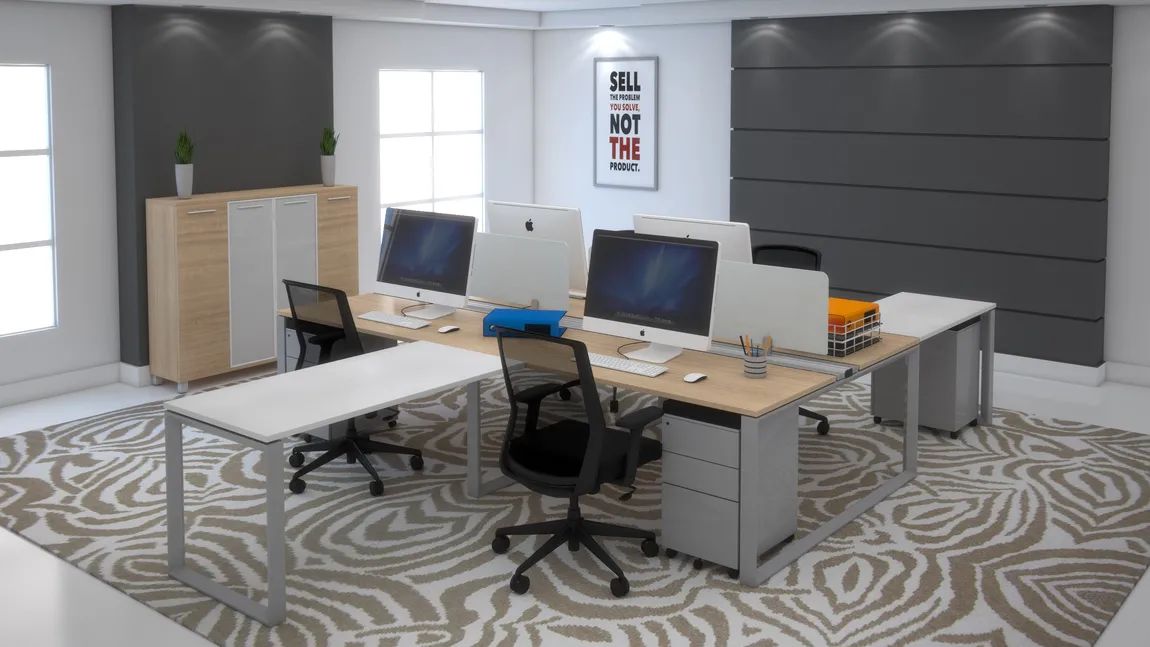
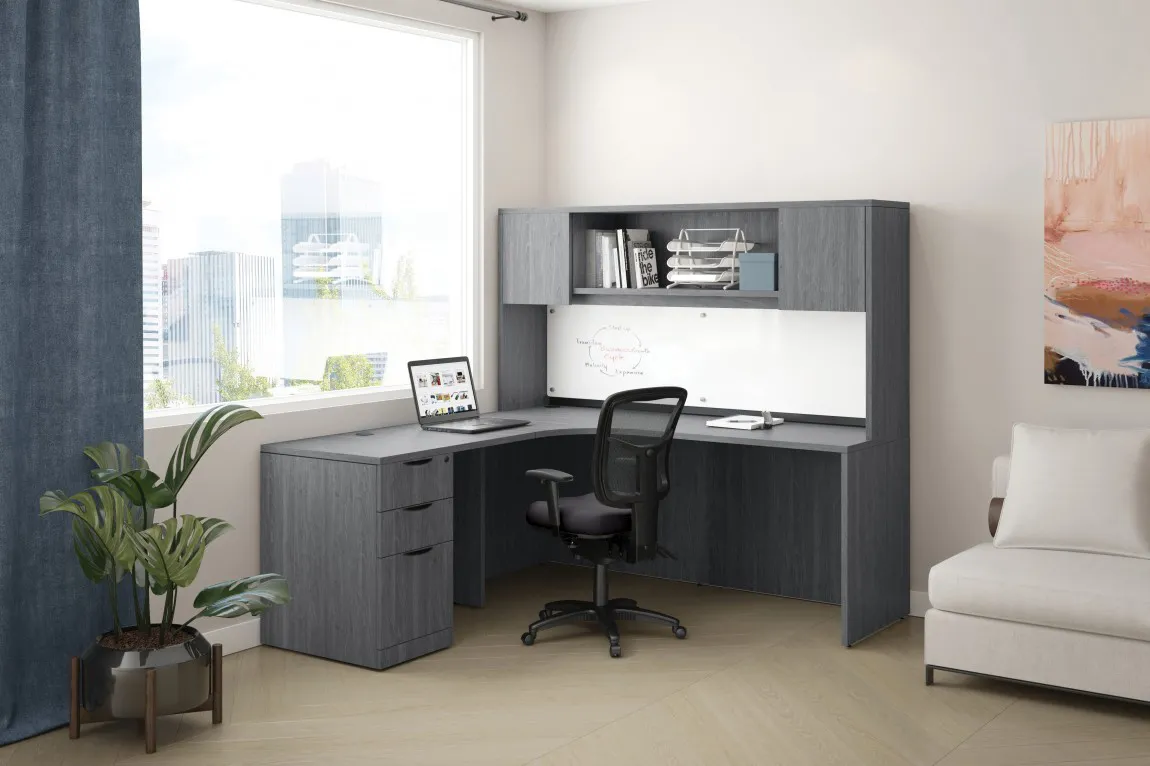
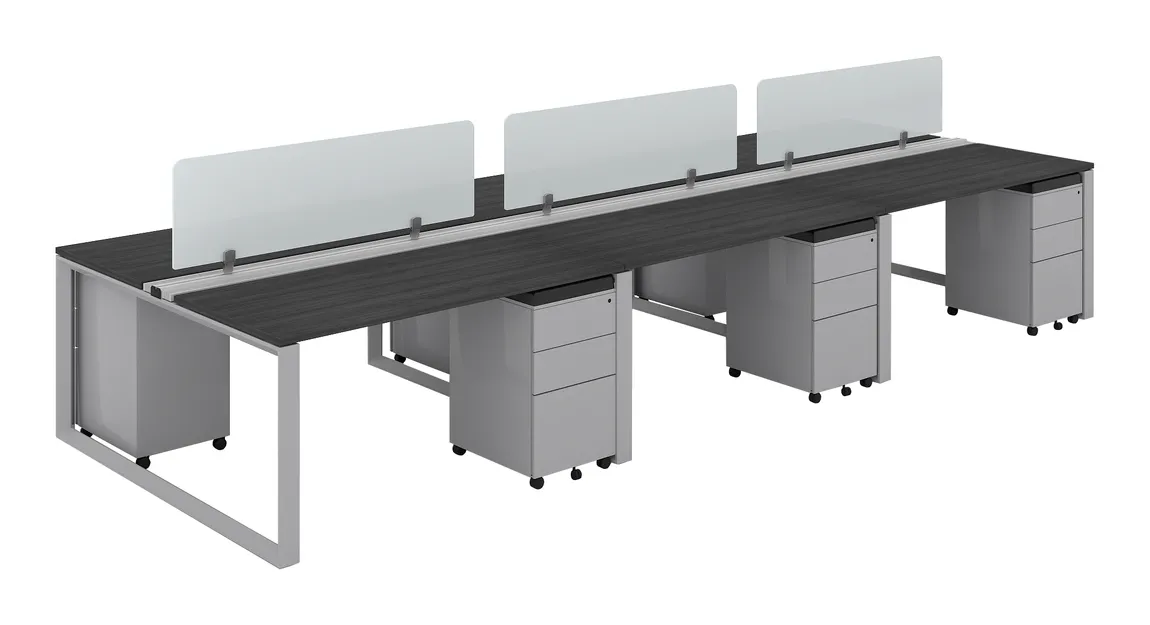
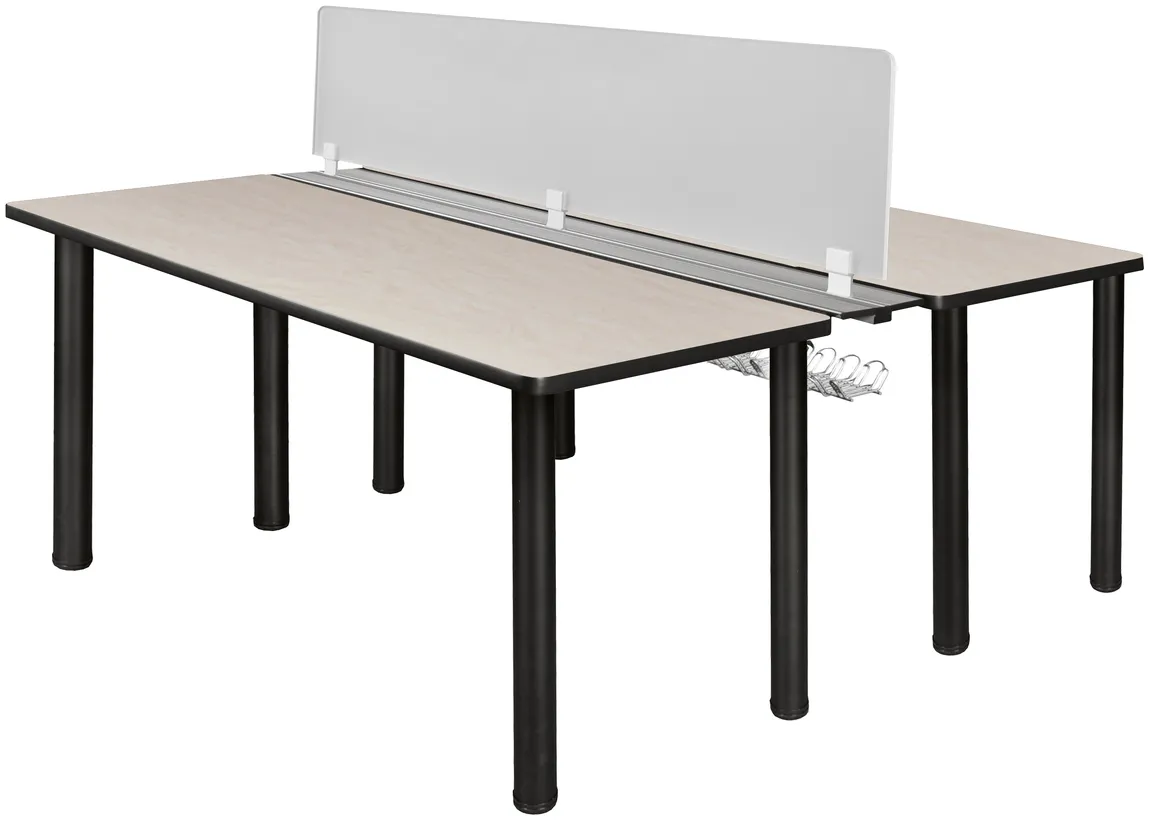
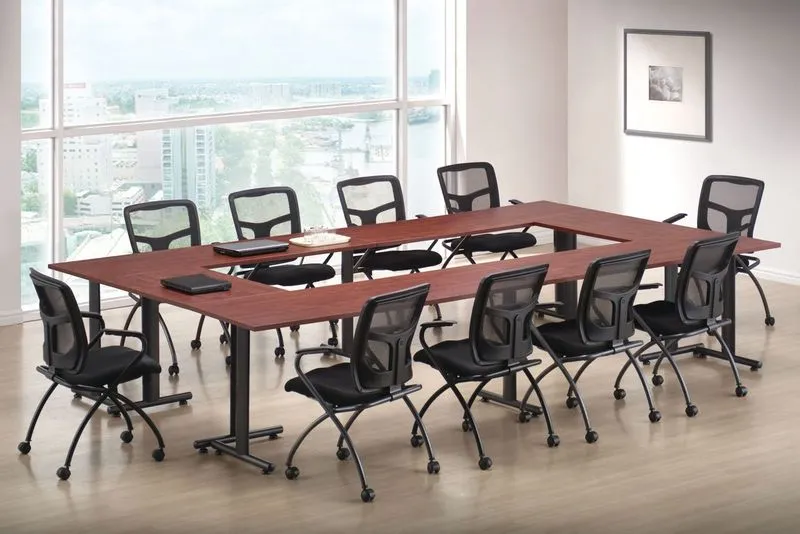
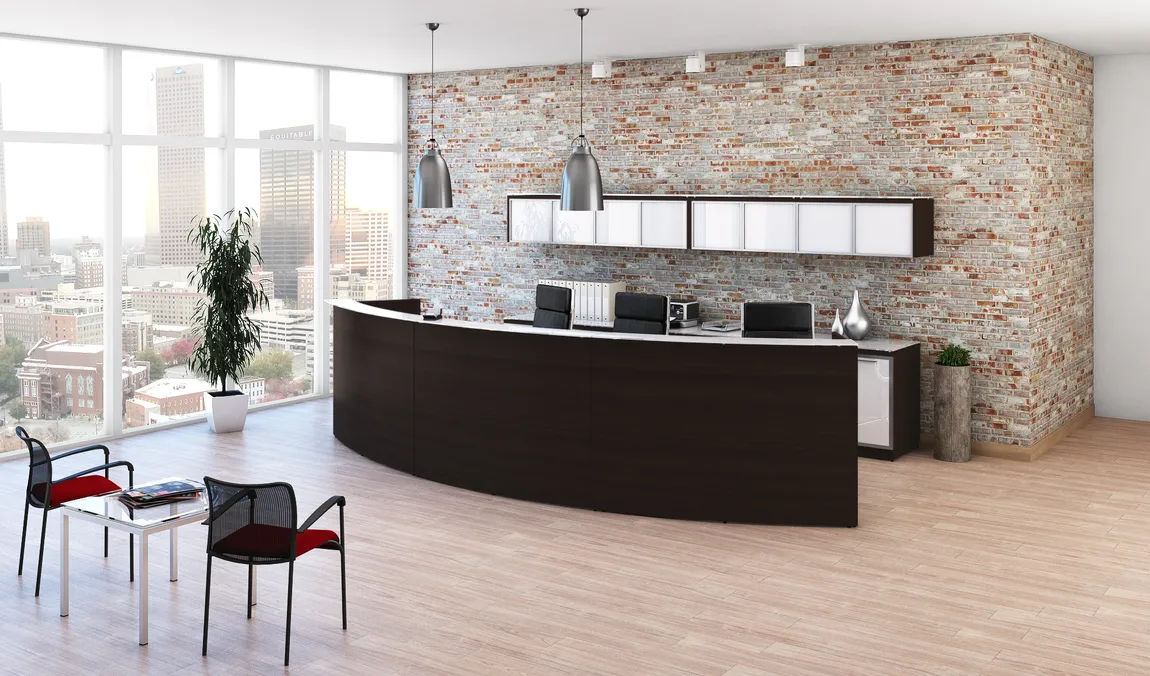
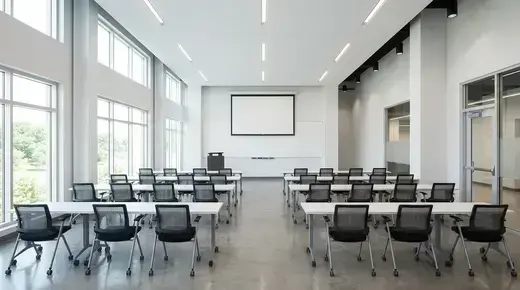
As businesses grow, space management becomes a priority. As teams expand, workspaces often need to adjust just as quickly. What works for a group of five rarely works the same way for a team of fifty. Furniture decisions made early on can either support that growth or become an obstacle later. Choosing office furniture that scales is less about predicting the future and more about selecting systems that can adapt as needs evolve. Modern offices face constant change. Hybrid work models shift daily occupancy, departments expand and contract, and layouts are frequently reworked to support new workflows. Office furniture needs to be flexible, repeatable, and easy to reconfigure to help organizations respond to these ongoing changes. When desks, workstations, and shared spaces are designed with growth in mind, scaling becomes a smoother process rather than a disruptive one. Focusing on furniture that supports long-term growth—from modular workstation systems to layouts that can be duplicated over time—helps business owners, operations teams, and facilities managers make more strategic decisions. By prioritizing scalability, adaptability, and long-term value, organizations can build workspaces that evolve alongside the business instead of holding it back. This guide takes a closer look at the challenges, realities, and solutions involved in choosing office furniture that scales. Start With Systems, Not Individual Pieces When planning for growth, a common mistake organizations make is selecting office furniture one piece at a time. Individual desks or group workstations may solve an immediate need, but they often create limitations as roles change or layouts need to be reworked. Scalable office design begins by thinking in systems rather than standalone items, allowing furniture to function as part of a larger, repeatable plan. Furniture systems are designed to be duplicated, expanded, and reconfigured over time. Modular workstation layouts allow businesses to add seats, rearrange teams, or rework entire departments without replacing everything already in place. Instead of treating growth as a hard reset, systems-based office furniture allows organizations to build upon what already exists in their space. Office furniture systems also simplify long-term planning. Operations and facilities teams benefit from knowing that future additions will match existing layouts, furniture finishes, and dimensions. This streamlines procurement, helps control costs as the organization grows, and reduces decision fatigue associated with expansion. By prioritizing systems early on, businesses establish a foundation that supports flexibility, efficiency, and smarter use of space over time. Design for Repeatability as Teams Grow Repeatability becomes one of the most valuable characteristics of a scalable office layout as teams expand. Office furniture choices that can be duplicated easily allow organizations to grow without rethinking full layouts, finishes, or specifications with each expansion. Repeatable furniture layouts help maintain consistency across departments and locations. Focusing on brands with established product lines and system-based furniture makes it easier to replicate layouts over time. Using the same desk systems and workstation configurations allows organizations to preserve a cohesive look while simplifying planning and installation, ensuring new workspaces integrate seamlessly with what’s already in place. From an operational standpoint, repeatability reduces complexity. Standardizing furniture selections that have already been vetted supports more efficient planning, budgeting, scheduling, and installation. This minimizes delays, simplifies reorders, and helps control costs during periods of growth. By designing workspaces that can be replicated as teams expand, businesses create an office environment that scales alongside their workforce instead of struggling to keep pace. Why Modular Furniture Systems Scale Better Modular office furniture systems are designed to grow and change alongside an organization. Instead of relying on individual desks or static layouts, modular systems use interchangeable components that can be added, removed, or rearranged as layouts evolve. This flexibility allows businesses to respond to growth, staffing changes, or new workflows without replacing existing furniture. As teams expand or departments shift, modular systems make it easier to adjust layouts while keeping the overall workspace cohesive. Additional seating can be added, configurations can be reworked, and shared spaces can be adapted to support collaboration or focus without disrupting daily operations. This adaptability is especially valuable in hybrid environments where occupancy and usage patterns change over time. Modular systems protect office furniture investments by extending usability over time. Instead of starting over with each new phase of growth, organizations can build on what they already own. This reduces replacement costs, simplifies planning, and helps ensure that office furniture continues to support the business as it scales. Designing for Hybrid Work and Changing Occupancy Hybrid work has fundamentally changed how offices are used on a day-to-day basis. Many organizations now experience fluctuating occupancy levels throughout the week. Some days are fully staffed while others are operating at limited in-house capacity. Scalable office furniture helps bridge this gap by allowing spaces to flex based on demand. Workstations that can be added, removed, or reconfigured make it easier to accommodate shifting schedules without leaving large portions of the office unused. Shared desks, modular systems, and adaptable collaboration areas allow organizations to size their layouts as hybrid policies evolve, instead of locking them into fixed configurations that limit efficiency over time. Hybrid work environments also place greater emphasis on versatility. Office furniture must support focused individual work one day, and collaborative team use on the next. Furniture systems that allow for quick layout changes help offices remain functional without constant disruption. By planning office furniture layouts that can scale both up and down, organizations gain the flexibility needed to respond to changing attendance patterns while maintaining a productive, intentional workspace. Plan Shared Spaces to Scale First As businesses grow, shared spaces often feel the impact before individual workstations. When these areas are furnished without scalability in mind, they can quickly become constraints that disrupt daily operations. Scalable office furniture helps shared spaces evolve alongside the organization. Modular conference tables, reconfigurable training layouts, and repeatable seating solutions allow these areas to expand or shift purpose without requiring full redesigns. Designing shared spaces with growth in mind improves long-term efficiency. Furniture that can be rearranged, duplicated, or expanded makes it easier to support new teams, larger meetings, or evolving workflows without interrupting the rest of the office. By prioritizing scalability in shared environments early on, organizations ensure these spaces continue to support collaboration rather than limit it. Plan for Long-Term ROI, Not Short-Term Fixes Scalable office furniture isn’t just about layout flexibility — it’s also about long-term return on investment. Furniture purchased to meet only immediate needs often leads to replacement costs, mismatched additions, and inefficient use of space as a business grows. From a budgeting perspective, scalable office furniture helps spread investment over time. Instead of replacing desks or workstations at every stage of growth, organizations can add compatible components, duplicate existing layouts, or reconfigure current assets. This approach lowers the total cost of ownership and allows facilities and operations teams to plan capital expenditures more strategically. Long-term ROI is also derived from operational efficiency. Furniture systems that are familiar, repeatable, and modular reduce planning time, simplify coordination, and shorten installation timelines. As growth continues, these efficiencies compound, saving time, reducing disruption, and ensuring the workspace continues to support productivity rather than becoming a bottleneck. Planning a Workspace That Grows With YouFor businesses planning their next phase of growth, scalable office furniture should be treated as a core value, not an afterthought. That starts with evaluating how furniture functions as part of a larger system rather than as isolated purchases. Modular workstations, repeatable desk layouts, and adaptable shared spaces provide a foundation that can evolve alongside the organization. It’s also important to consider how furniture decisions impact operations beyond aesthetics. Standardized systems simplify procurement, installation, and long-term planning. Facilities and operations teams benefit from furniture solutions that are familiar, compatible, and easy to deploy as needs change. Ultimately, office furniture that scales supports growth without forcing constant reinvention. By planning for flexibility, repeatability, and long-term value from the beginning, businesses can create workspaces that remain functional, efficient, and adaptable as the organization evolves. For guidance on scalable office furniture solutions or help planning your next phase of growth, contact Madison Liquidators at 888-831-1012 to get started.
More From This Author |