How to Design an Executive Office That Makes an ImpressionHow to Design an Executive Office That Makes an Impression
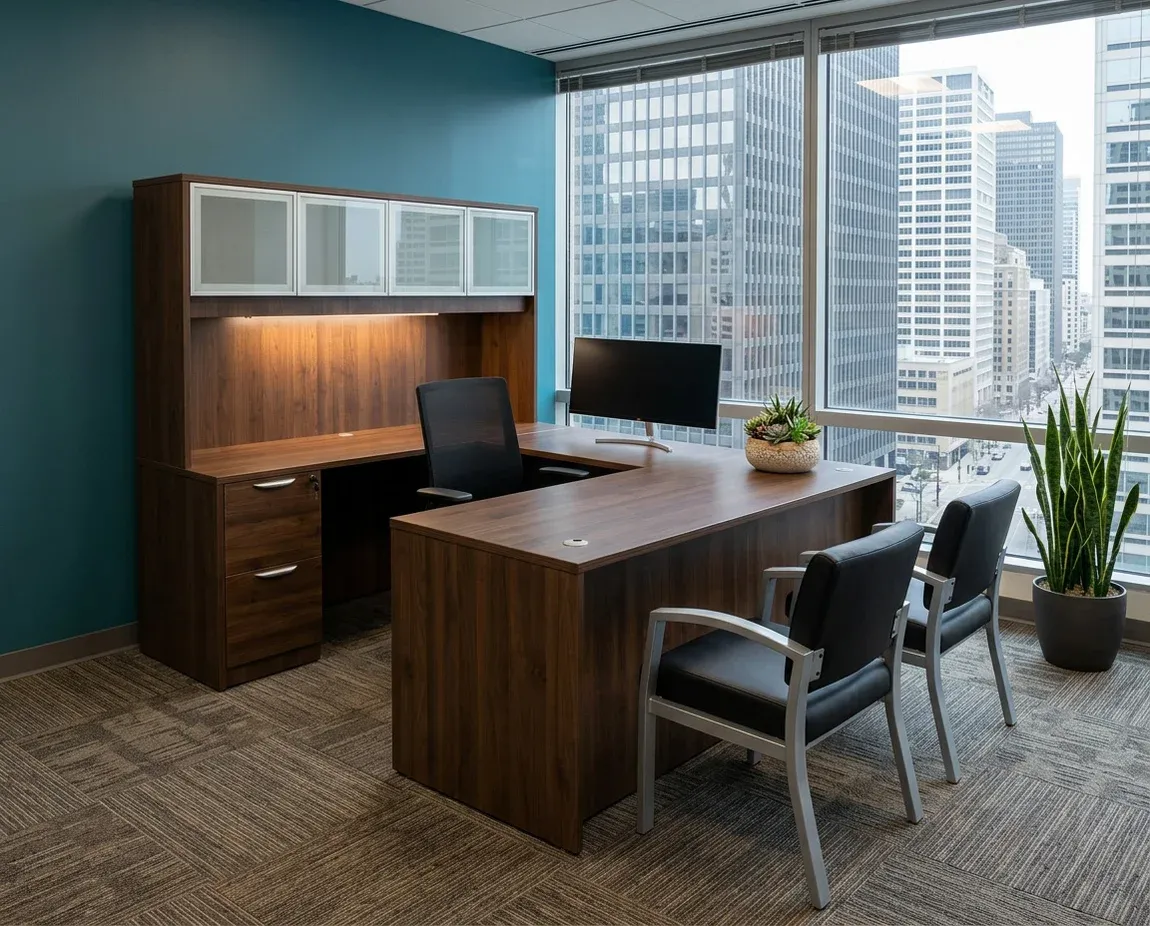
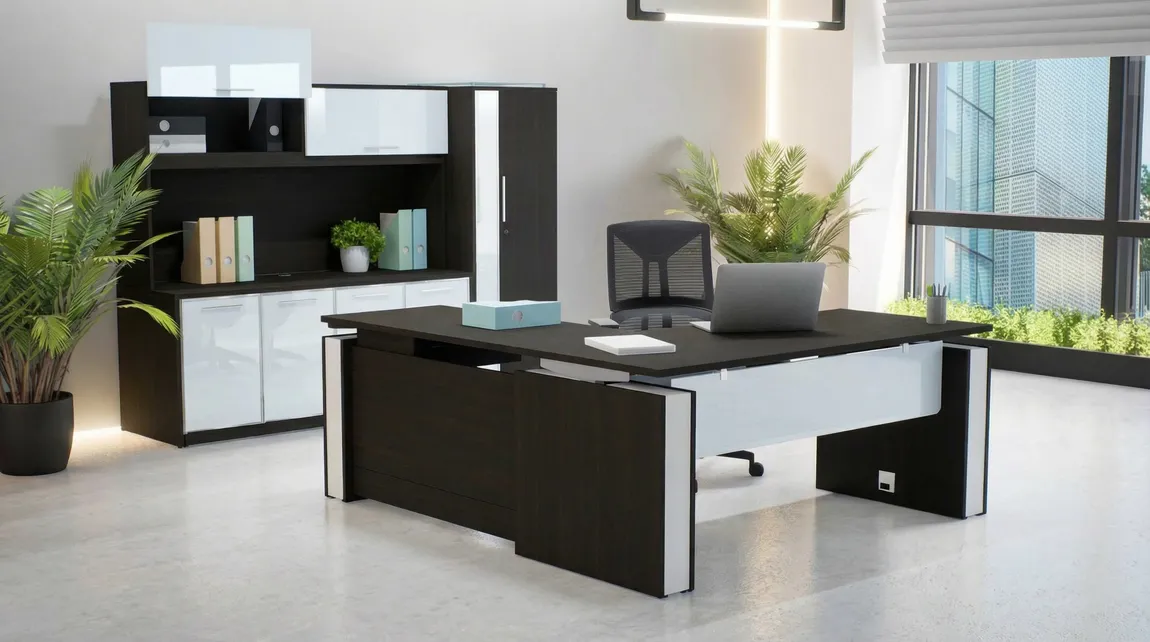
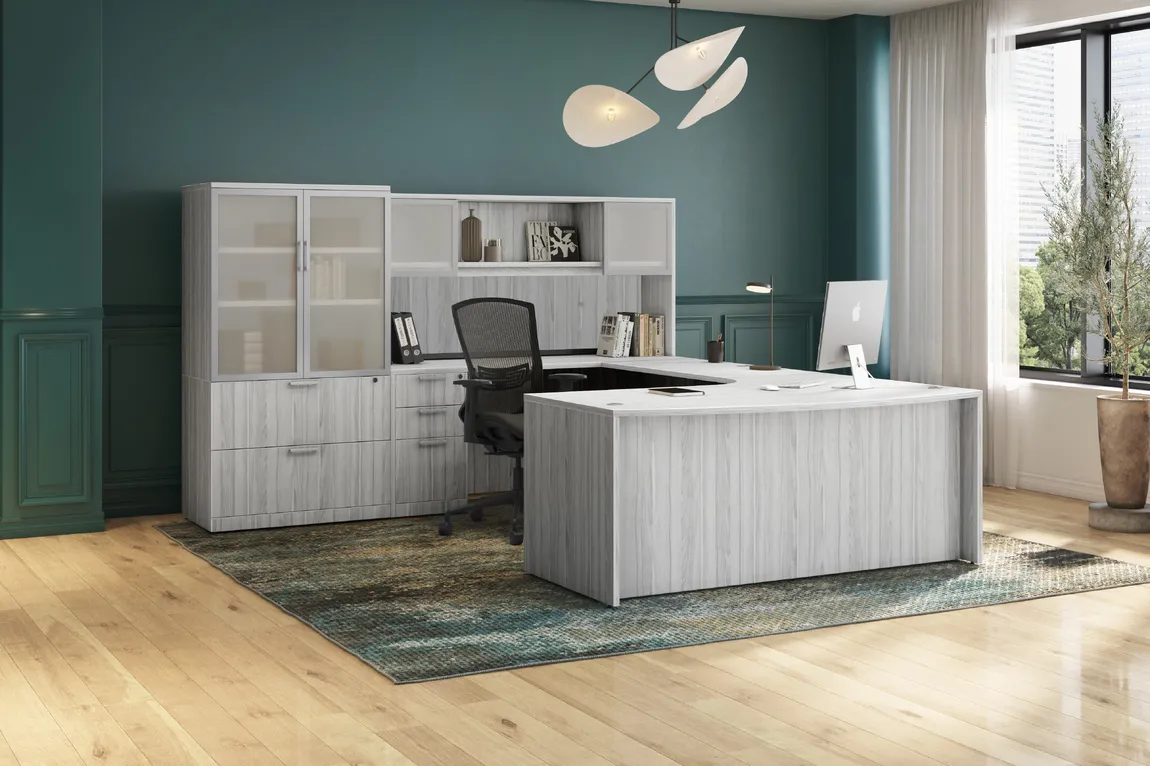
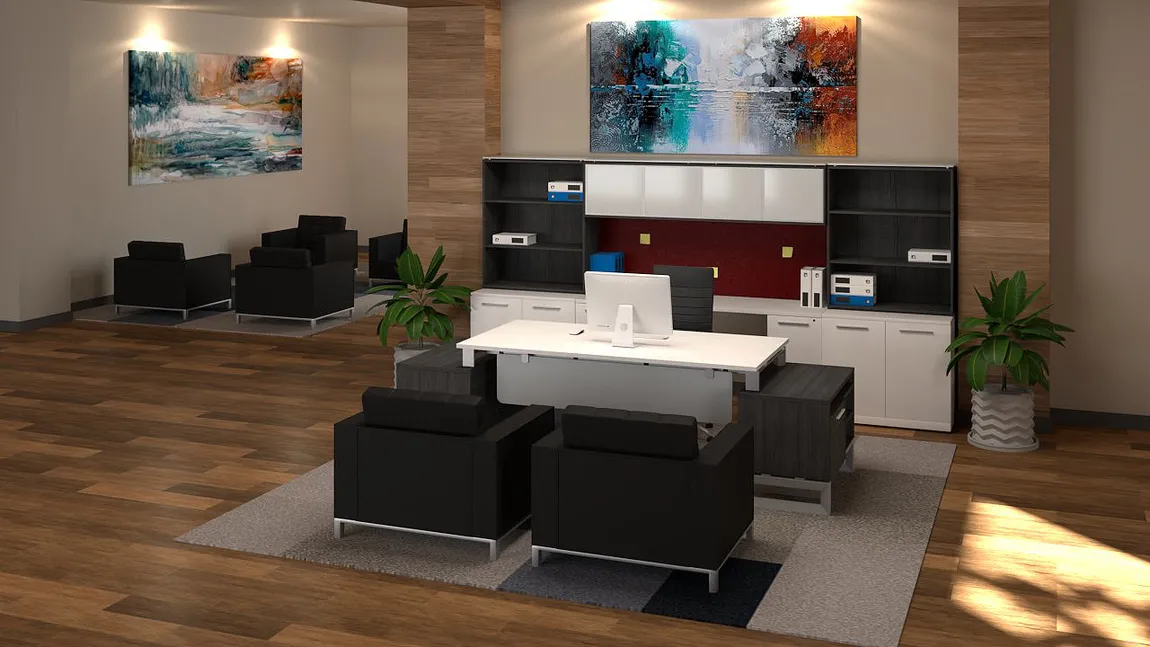
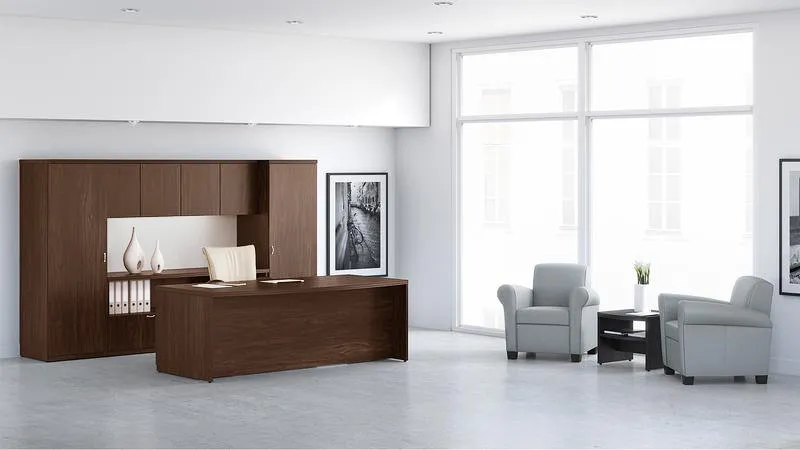
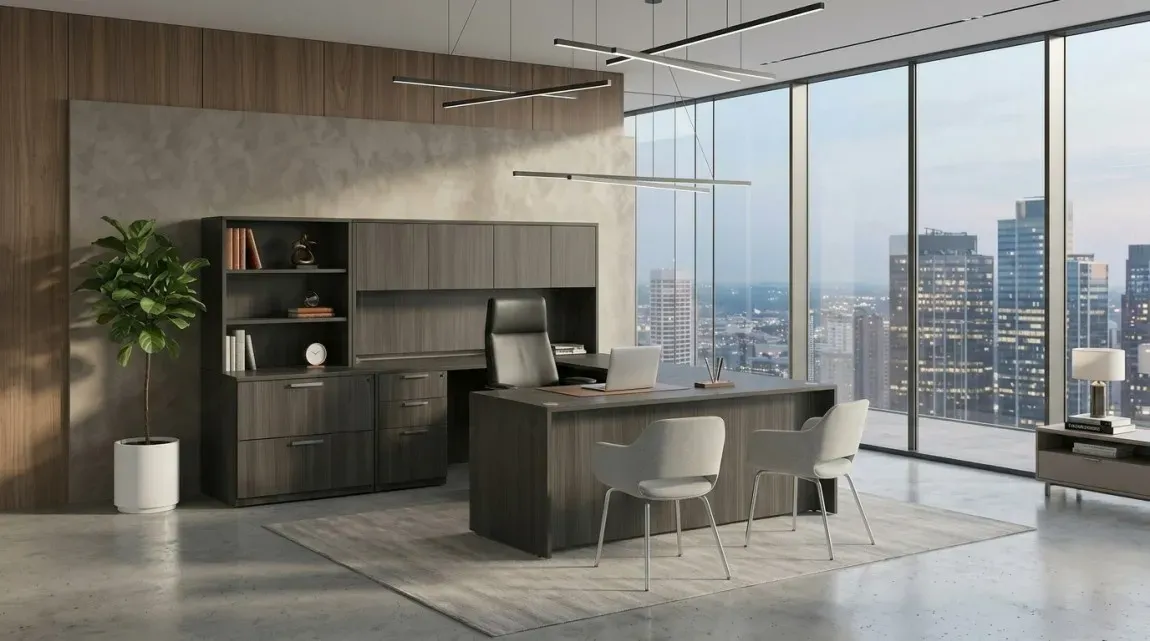
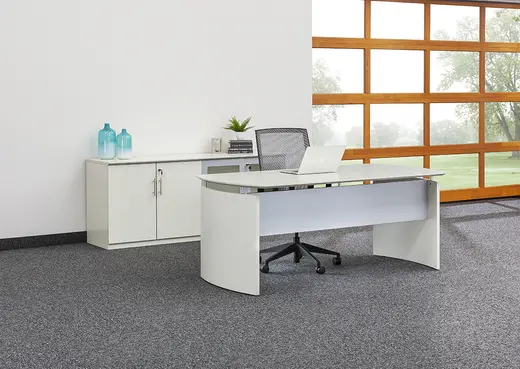
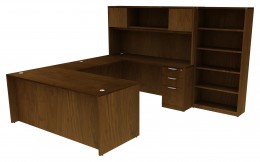
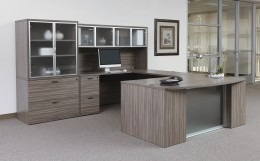
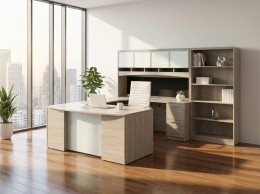
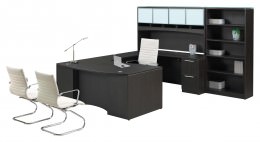
What separates an executive office from every other office in the building? The executive office stands apart from the rest of the workspace. It's often romanticized as the big corner office—the office with the best view, the largest desk, and the quiet confidence that suggests someone has finally "made it.” It's an image that has shaped how executive offices are perceived for generations. For those who actually use them, they must be more than romance and position; they must be functional. An executive office earns its reputation not because it's larger than every other office, but because it's expected to accomplish far more. Throughout the day, it serves as a private workspace for focused work, a meeting room for clients and colleagues, a place where important decisions are made, and often the setting where organizations make lasting first impressions. The most effective executive offices are intentionally designed to support leadership while creating an environment that inspires confidence in everyone who walks through the door. Designing an executive office that reinforces the organization's identity goes beyond selecting desks, storage, and visitor seating. It requires bringing those elements together within a layout that balances productivity with professionalism. Whether furnishing a new executive suite or updating an existing office, thoughtful design helps create an environment that reflects the organization's leadership while supporting the responsibilities that come with it. The Executive Desk Sets the Tone At the center of every executive office is the desk, as it will be the largest and most recognizable piece of office furniture in the space. The desk anchors the entire office, serving as the focal point that influences workflow, organization, and first impressions. Because of this, the executive desk should reflect both the responsibilities of the executive and the character of the organization. As the role of the executive office expanded, the furniture evolved alongside it. Traditionally, executive desks featured pedestal bases with ornate detailing and classic styling. Over time, as workflows and responsibilities shifted, newer designs such as L-shaped and U-shaped desks were integrated into the executive office. More recently, height-adjustable executive desks have become increasingly common, allowing executives to alternate between sitting and standing throughout the workday. The desk must fit both the office space and the executive who uses it. A desk that is too small can limit daily workflows while making the office feel underutilized. A desk that's too large can dominate the room, leaving less space for guest seating, storage, and other furnishings that contribute to a functional executive office. The right executive desk creates a workspace that balances comfort, productivity, and professionalism while remaining appropriately scaled for the office itself. Organization Reflects Leadership A well-organized executive office allows leaders to focus on decisions instead of distractions. Stylish, yes, but more importantly, organized. An organized office quietly communicates preparedness before a meeting ever begins. An uncluttered desk supported by well-planned storage keeps the workspace as functional as it is attractive. Thoughtfully integrated storage helps keep important documents, technology, and everyday essentials accessible while maintaining a clean, professional environment. Executive storage often requires more than just desk drawers. Executive storage solutions often include credenzas, bookcases, filing and storage cabinets. Each one serves a unique purpose for the executive. Credenzas keep frequently used items nearby, bookcases display reference materials and awards, and cabinets organize records without dominating the room. Together, these pieces create an organized storage system that supports the executive's daily responsibilities without overwhelming the office. These storage solutions help create an office that feels organized, prepared, and professional for every conversation that takes place within it. Intentional organization doesn’t chase perfection but rather meets the needs of the executive. Visible clutter can impact professionalism and efficiency, but too much storage can make the office feel sterile. Design for Conversations, Not Just Work Although often viewed as a private workspace, the executive office functions as one of the most shared spaces in the workplace. Guests, clients, and employees move through the executive office throughout the day, making it far less private than many people imagine. One-on-one meetings, project discussions, client visits, and even job interviews often take place here. Well-designed executive offices are crafted for interaction as much as for individual work. Effective executive office design considers the visitor experience just as carefully as the executive's workspace. Deliberately placing small round tables for informal meetings, lounge seating, coffee tables, and guest chairs in front of the desk creates a complete office space. These options allow for meetings to take place in the office when the conference room is not available. Some of the most important conversations in an organization never happen in the conference room. Where a desk functions to make the executive comfortable and focused, the guest seating layout does the same for visitors. These spaces should make a visitor feel welcome, comfortable, and even respected; doing so helps the executive office feel less intimidating and encourages communication. Thoughtfully planned meeting areas help transform an executive office from a private workspace into an environment where conversations, collaboration, and relationships can thrive. Every Material Tells a Story The executive office should feel like a natural extension of the workplace rather than a completely separate environment. A dramatically different design style can disrupt the sense of continuity visitors have been building since entering the workplace. Selecting finishes, materials, and colors seen throughout the office space will go a long way in creating a positive first impression. Carefully selected materials contribute to the office's personality and professionalism. Designing the executive office should be about the organization, not trends. Different industries often communicate unique values, such as a law office that conveys stability and a financial firm that inspires confidence. Regardless of the organization's identity, many of the same materials will be used in both spaces. Modern materials such as laminate, glass, and metal now complement traditional wood and veneer finishes in many executive offices. It must be restated: An executive office shouldn't feel disconnected from the rest of the workplace. The design language should flow from the reception area throughout the office and into the executive space. Executive spaces can be elevated without feeling isolated. A thoughtfully designed executive office reinforces the organization's identity while creating a workspace that feels authentic, professional, and welcoming. The Details Complete the Executive Office Designing an executive office requires more than simply placing furniture around the room. Focusing only on "placing the desk here" without considering natural light, traffic flow, and sightlines often leads to an office that never reaches its full potential. Proper layout planning considers all these factors to ensure the office is optimized. A thoughtfully arranged office feels comfortable to move through and easy to use. Once the layout has been established, technology should be integrated just as thoughtfully. Details matter when it comes to key features such as cable management, desktop power, and monitor placement. If the executive will be hosting meetings in the office, they cannot have monitors placed in front of the desk, blocking eye contact. All the technology that powers the modern office must be strategically organized throughout the workspace. Once layout and functionality are completed, personality can finally be added to the space. Artwork, books, awards, and other personal items can be placed to give a sterile environment much-needed warmth. Personal items shouldn't simply decorate the office—they should reinforce the organization's culture while making the workspace feel authentic. An Executive Office That Inspires ConfidenceThe executive office earns its distinction not because it's larger than every other office, but because every design decision serves a purpose. From the desk and storage to visitor seating, materials, and finishing details, each element contributes to an environment that supports leadership while creating positive experiences for employees, clients, and business partners. A well-designed executive office supports productivity, communication, and professionalism. Thoughtful planning helps ensure the space remains supportive of leadership and daily operations for years to come. Explore executive desks, office storage, seating, and workspace solutions at Madison Liquidators to create an executive office designed for leadership, productivity, and lasting first impressions.
More From This Author |