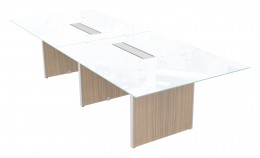
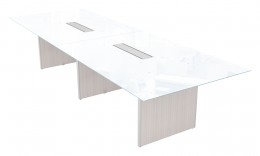
New Surface-Level Power for Potenza Conference TablesNew Surface-Level Power for Potenza Conference Tables
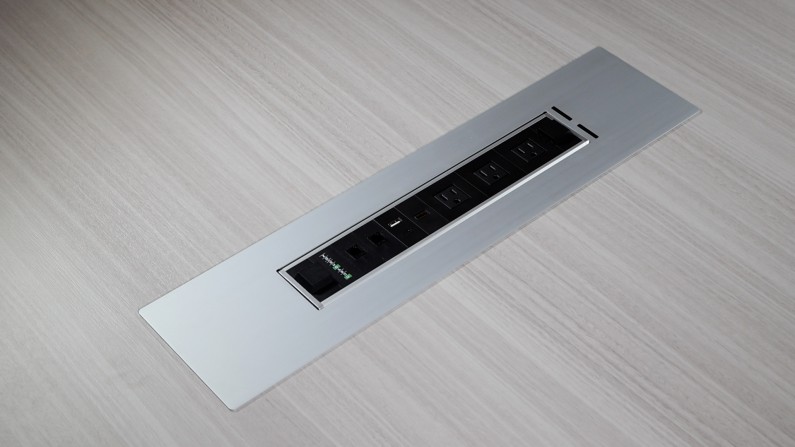
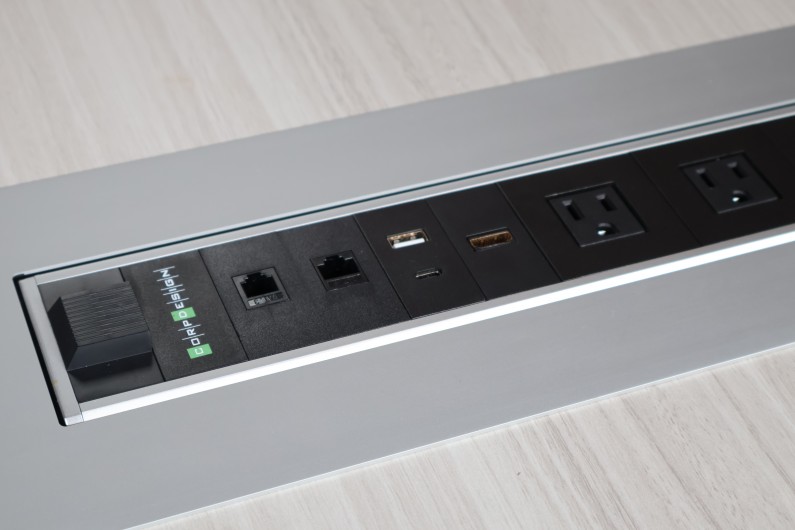
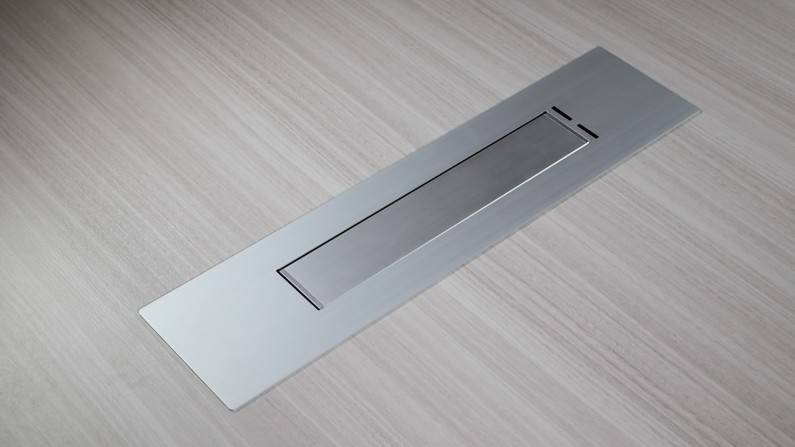
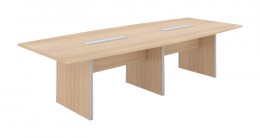
Conference rooms are built around collaboration, but one of the most common limitations in modern meeting spaces is access to reliable, accessible power. For businesses already using Potenza conference tables, this challenge has typically been addressed with recessed modules that require reaching below the surface or working around limited access points. A new upgrade changes that experience entirely. Madison Liquidators has introduced a motorized, surface-mounted power module designed specifically for Potenza conference tables. This updated design brings power, media, and internet connectivity directly to the table surface—making access easier, faster, and more intuitive during meetings. For existing Potenza users, this is more than a feature update—it is a functional upgrade that improves how the conference room performs day to day. A Motorized Upgrade Over Previous Power Modules Unlike earlier recessed designs, the new module features a motorized lift system that raises the power unit directly to the surface when needed. This eliminates the need to reach below the table or work around fixed access points, creating a more seamless experience during meetings. The shift from recessed to surface-mounted design is a significant improvement. Power access is no longer hidden or inconvenient—it is positioned exactly where it is needed, allowing participants to connect devices without interrupting the flow of a meeting. When not in use, the motorized module retracts cleanly into the table, maintaining the professional appearance of the Potenza surface while keeping functionality readily available. Compared to earlier recessed modules, this updated design improves both accessibility and connectivity, offering a more complete solution for modern meeting environments. Built-In Power, Media, and ConnectivityUnlike earlier recessed designs, the The upgraded module is designed to support modern meeting demands by integrating multiple connection types into a single unit. These modules include:
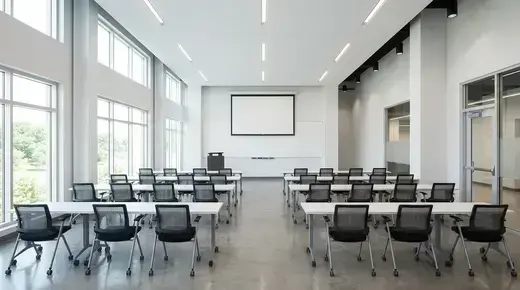
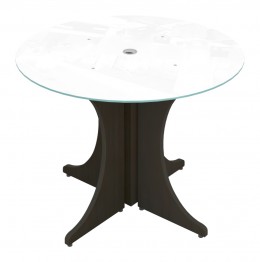
In addition to standard outlets, the module is designed to support modern device connectivity, including USB charging, HDMI input for presentations, and Ethernet access for stable wired connections. This combination allows the unit to function as a centralized hub for power, media, and data, eliminating the need for separate adapters or multiple connection points. Depending on the configuration, these modules may include USB ports, HDMI connections, and Ethernet access to support a wide range of devices and meeting formats. By combining these elements into one accessible location, the module reduces cable clutter and eliminates the need for external adapters or extension cords. This allows meetings to run more efficiently, particularly in environments where multiple users need to connect at the same time. Designed for Existing Potenza Conference Tables Unlike earlier recessed designs, the new module features a motorized lift system that raises the power unit directly to the surface at the touch of a button. One of the most important aspects of this upgrade is compatibility. The motorized module is designed specifically for Potenza conference tables, making it a practical solution for businesses that already have these tables in place. Rather than replacing entire conference tables, organizations can upgrade their existing setup with a solution that integrates directly into the current design. This makes it possible to modernize the workspace without the cost or disruption of a full furniture replacement. For many businesses, this represents a straightforward way to extend the value of their existing conference room investment while improving overall functionality. Supporting a Complete Conference Room Setup While the power module is the primary upgrade, it performs best as part of a fully planned conference room environment. The Potenza conference table serves as the foundation, with integrated power enhancing both functionality and usability. A glass top conference table introduces a more open, modern appearance while maintaining durability for daily use. When paired with the motorized power module, it supports both presentation and connectivity without compromising design. Seating also plays a key role. Zetti chairs provide ergonomic support for extended meetings, helping participants remain comfortable during longer sessions made possible by consistent access to power and connectivity. Additional elements such as a storage media wall help keep equipment organized and accessible, while whiteboards support real-time collaboration and idea sharing. Together, these components create a cohesive meeting space where the power module enhances, rather than competes with, the overall environment. See the Module in ActionTo better understand how the motorized system operates within a Potenza conference table, product photography and short-form video demonstrate how the module raises, retracts, and functions during real meeting scenarios. Upgrade Your Potenza Conference TableFor businesses already using Potenza conference tables, upgrading to a motorized surface-level power module is a practical way to improve usability and modernize the workspace without replacing existing furniture.
More From This Author |